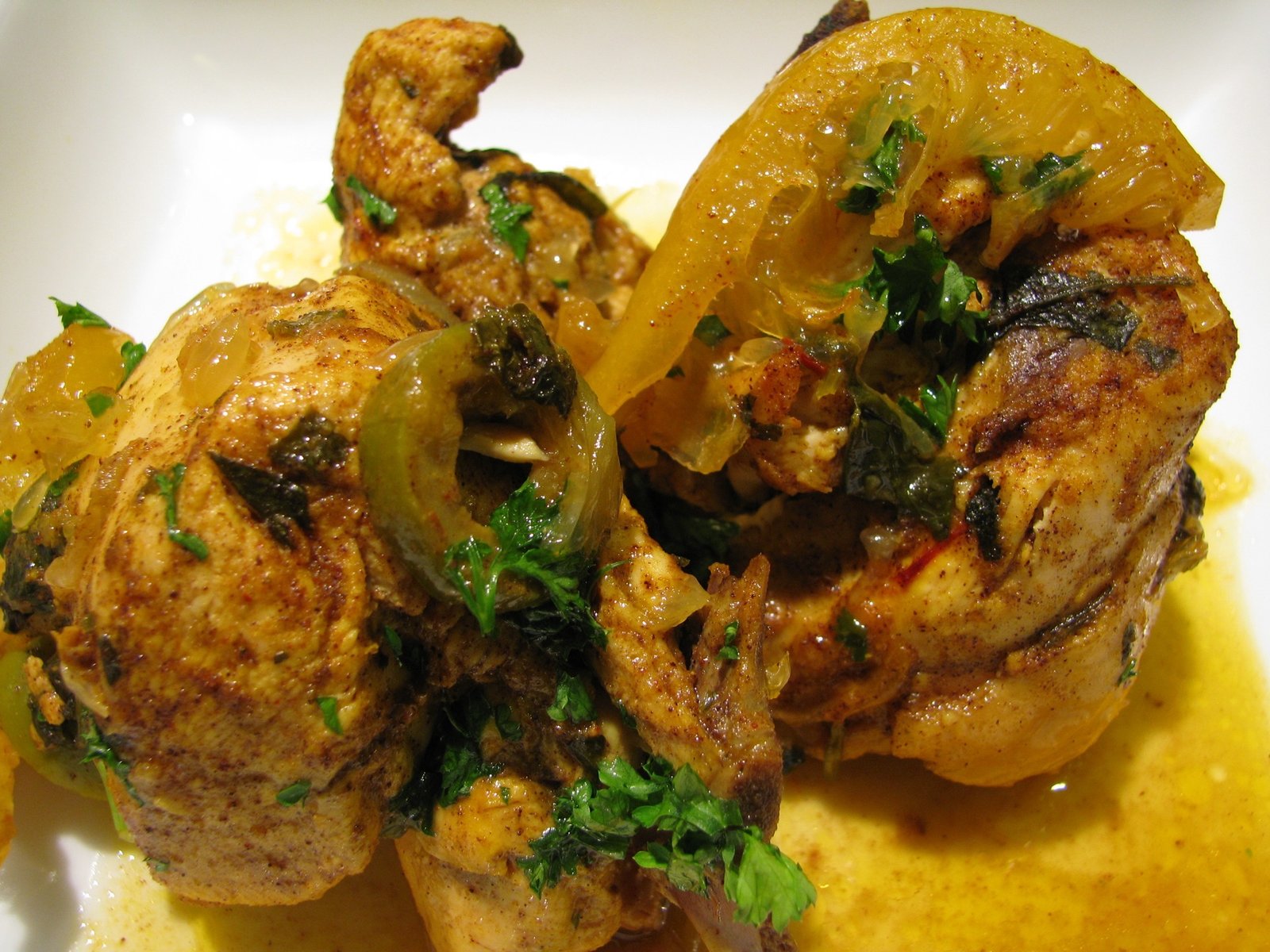
Moroccan food is one of the main reasons people fall in love with the country. But the same question comes up for almost every first-time visitor: what should you actually order, what’s safe to eat from a street stall, and how do you avoid the tourist-menu version of a cuisine that, at its best, is one of the most layered in the world?
This guide is for travelers heading to Morocco who want a clear, practical answer — not a list of fifty dishes with no context. You’ll learn which dishes to prioritize and where each one is done best, how to eat safely without missing the street food scene, what a meal actually costs, and the etiquette that will make you feel less like a tourist and more like a guest.
In Short: The Dishes to Prioritize
If you only have a few days, eat these five first: a slow-cooked tagine (chicken with preserved lemon and olives is the classic), couscous on a Friday, a bowl of harira soup, msemen for breakfast, and a glass of fresh mint tea poured from height. Everything else in this guide builds on those five.
What Shapes Moroccan Cuisine
Moroccan food isn’t one tradition — it’s a layered history you can taste. Amazigh (Berber) cooking gave it couscous, preserved foods, and slow one-pot cooking. Arab traders brought dried fruits, saffron, and cinnamon into savory dishes, which is why a chicken tagine can taste sweet and savory at once. Andalusian refugees from Spain brought almonds, olives, and delicate pastry work like pastilla. Later, French colonial influence left its mark on bread and pastry, while Saharan and Sub-Saharan trade routes brought in dates, cumin, and the slow-cooking traditions still used around Merzouga today.
This blend is recognized well beyond Morocco. In 2013, UNESCO added the Mediterranean diet — a category that includes Morocco — to its Representative List of the Intangible Cultural Heritage of Humanity, and in 2020, the knowledge and practices around couscous specifically (shared by Morocco, Algeria, Mauritania, and Tunisia) were inscribed on the same list. That’s not just trivia: it’s part of why Moroccan cooks take dishes like Friday couscous so seriously, and why rushing or simplifying it for tourists misses the point.
What to Eat in Morocco: The Essential Dishes
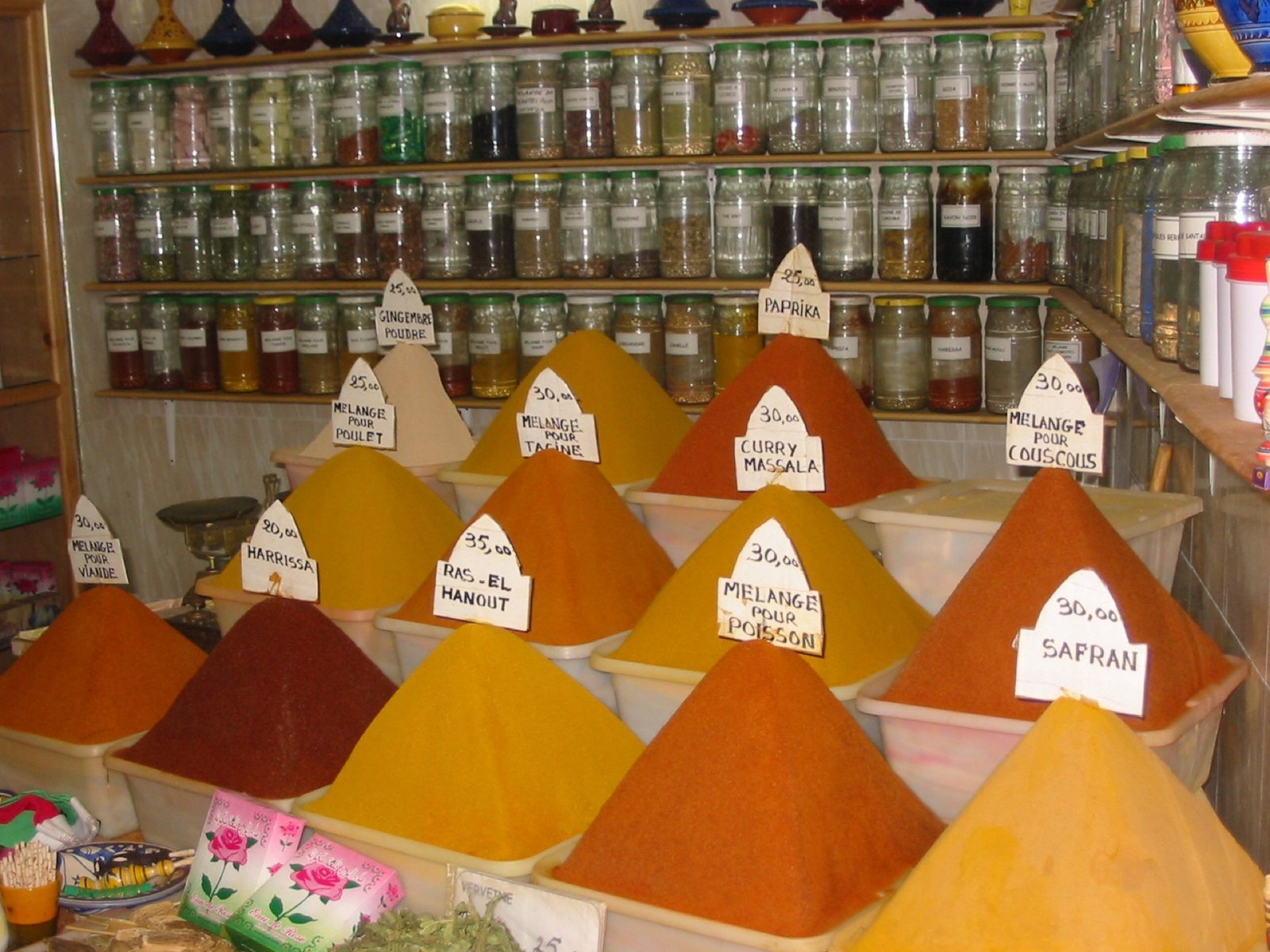
These are the dishes that define Moroccan cooking. None of them are exotic for shock value — they’re what Moroccan families actually eat, which is exactly why they’re worth seeking out.
Tagine
Tagine refers to both the cone-shaped clay pot and the slow-cooked stew made inside it. The shape traps steam and bastes the meat or vegetables as they cook, which is why good tagine meat falls apart with a fork despite little added liquid. Common versions include chicken with preserved lemon and green olives, lamb with prunes and almonds, and vegetable tagine with seven vegetables. A common misconception is that Moroccan food is chili-hot — it isn’t. Tagines are aromatic (cumin, ginger, saffron, cinnamon) rather than spicy, and heat is added separately at the table with harissa if you want it.
Couscous
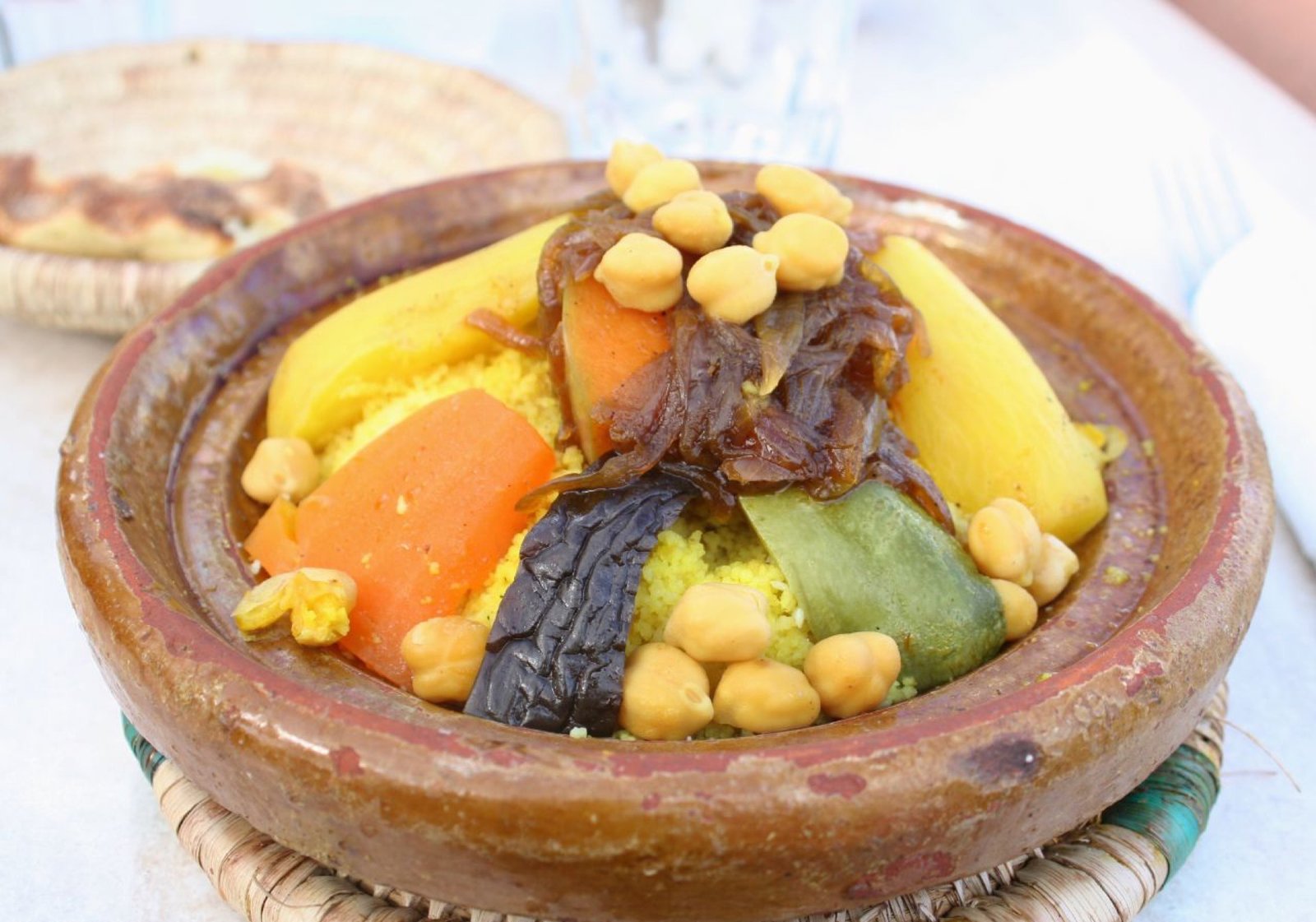
Traditionally served on Fridays after prayers, couscous is steamed semolina topped with a stew of seven vegetables (a number considered lucky) and meat or chicken, finished with a drizzle of broth. Restaurants serve it daily for tourists, but if you can time a meal for a Friday, you’ll get the dish closer to how it’s actually eaten at home.
Harira
A tomato-based soup with lentils, chickpeas, and often small pieces of lamb, thickened with a flour-and-water mixture and finished with fresh coriander and lemon. Harira is the dish that breaks the daily fast during Ramadan, but it’s eaten year-round as a starter or light meal, and it’s one of the most affordable, filling things you can order.
Pastilla (Bastilla)
A savory-sweet pie of thin warqa pastry filled with shredded pigeon or chicken, almonds, cinnamon, and sugar, dusted with powdered sugar on top. It sounds like an unusual combination and it is — this is the clearest example of Andalusian influence on Moroccan cooking, and it’s originally from Fes. A well-made pastilla takes real skill; it’s worth ordering from a kitchen that specializes in it rather than a generic tourist menu.
Tanjia and Mechoui
Tanjia is Marrakech’s own dish: seasoned lamb sealed into a clay urn with preserved lemon, garlic, and spices, then sent to slow-cook for hours in the dying embers of a hammam furnace — historically a bachelor’s dish, since it needed no attention while cooking. Mechoui is whole slow-roasted lamb, seasoned simply with salt, cumin, and butter, traditionally reserved for celebrations but sold by the portion at stalls in Marrakech and Fes.
Msemen, Rfissa, and Breakfast Foods
Moroccan breakfast is worth planning for. Msemen is a square, layered flatbread cooked on a griddle and served with honey or amlou (an almond-argan oil spread). Beghrir is a spongy “thousand-hole” pancake, also served with honey and butter. Harcha is a denser, semolina flatbread. Pair any of these with mint tea and fresh orange juice for a breakfast that costs a fraction of a hotel buffet and tastes considerably better.
| Dish | What it is | Best known for | Typical street/casual price |
|---|---|---|---|
| Chicken tagine | Slow-cooked stew with preserved lemon and olives | Everywhere, especially home-style riads | 40–70 MAD |
| Couscous (Friday) | Steamed semolina with seven vegetables and meat | Family meals, best on Fridays | 40–70 MAD |
| Harira | Tomato, lentil, and chickpea soup | Ramadan, quick affordable meals | 10–15 MAD |
| Pastilla | Savory-sweet pigeon or chicken pie | Fes | 60–120 MAD |
| Tanjia | Urn-cooked slow lamb | Marrakech | 60–100 MAD |
| Msemen | Layered griddled flatbread | Breakfast, street stalls | 3–8 MAD each |
Prices are approximate street and casual-restaurant ranges in Moroccan dirham (MAD) at the time of writing and will vary by city and season — see the full cost breakdown further down this guide.
Moroccan Street Food: What to Try (and What to Skip)
Marrakech’s Jemaa el-Fna square turns into one of the most famous open-air food markets in the world every evening, and similar (quieter) scenes play out in Fes, Essaouira, and other medinas. Street food is a genuine highlight of visiting Morocco, not something to avoid out of caution — but it pays to know how to choose a stall.
- Grilled brochettes (kebabs) — skewered lamb, beef, or kefta cooked over charcoal in front of you.
- Msemen and sfenj — sfenj is Moroccan doughnut, fried to order and eaten plain or with sugar.
- Snail soup (babbouche) — a genuinely local specialty, simmered in a broth of anise, thyme, and licorice root. Worth trying even if it sounds unfamiliar.
- Fresh orange and avocado juice — stalls at Jemaa el-Fna squeeze it to order; look for the busiest stand.
- Maakouda — fried potato patties, a common quick snack sold by weight.
How to choose a stall: pick the one with the most local customers and visible turnover, not the one with the most English signage or the most aggressive tout. Food that’s cooked to order in front of you (grills, fried items, soups) is lower-risk than pre-made dishes sitting out. Always agree on a price before you sit down or order — ask “bshhal?” (how much?) up front, since your negotiating position drops to zero once food is already in front of you.
What to be more careful with: raw salads and unpeeled fruit from street stalls (rinsed in tap water, not always reliable), and ice in casual, non-tourist-oriented places. Mint tea is always safe, since the water is boiled.
Regional Specialties: Where to Eat What
Morocco doesn’t have one national cuisine so much as a set of strong regional ones. If your itinerary covers more than one city, it’s worth matching your must-try dishes to the place that actually does them best.
| Region / City | What to eat there | Why |
|---|---|---|
| Marrakech | Tanjia, mechoui, Jemaa el-Fna street food | The dish (tanjia) and the market culture both originate here |
| Fes | Pastilla, rfissa | Considered the culinary capital; home of Andalusian-influenced cooking |
| Essaouira | Grilled sardines and fresh seafood at the port | Working fishing port — the catch goes straight to the grill |
| Merzouga / Sahara | Berber pizza (medfouna), mechoui, desert-camp tagine | Bread-based, portable dishes suited to desert and nomadic life |
| Chefchaouen | Goat cheese, local honey, mountain-style tagines | Rif Mountain produce not common further south |
| Ouarzazate / the south | Dates, argan products | Gateway to the oasis and argan-growing regions |
If you’re planning a route through the south, our guide to building a custom Morocco itinerary covers how to structure a trip that actually reaches these regional kitchens, rather than just the main tourist stops.
Mint Tea and What Moroccans Actually Drink
Moroccan mint tea (atay) is green tea, fresh mint, and a significant amount of sugar, poured from height into small glasses to create a light foam on top. It isn’t just a drink — it’s a hospitality ritual, and it’s common to be offered a glass before any business or social conversation even starts. Refusing outright can come across as impolite; a small sip is enough if you don’t want more.
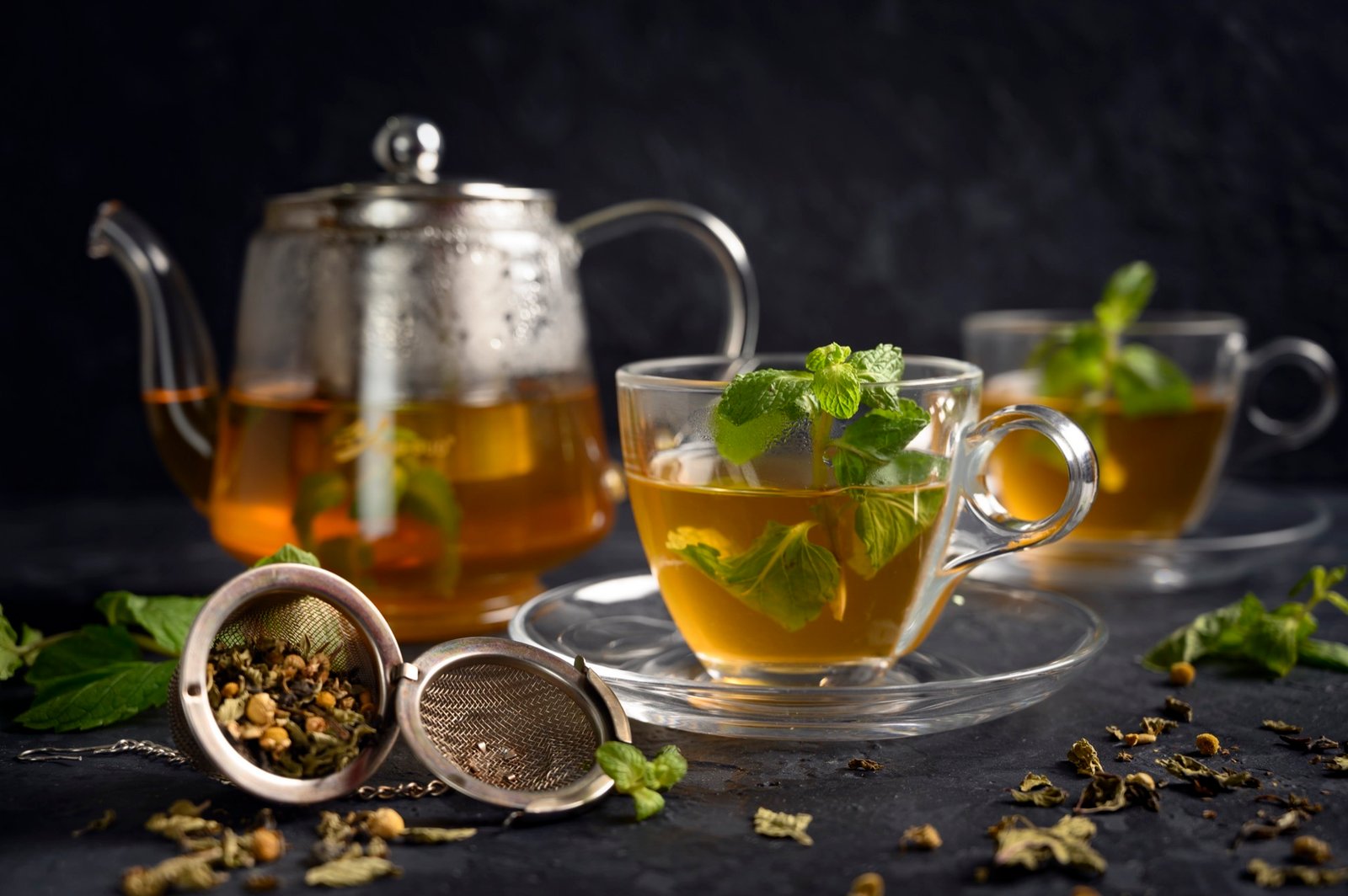
Beyond mint tea, expect fresh orange and avocado juice from street stalls, Moroccan coffee (often spiced), and khoudenjal or almond milk drinks in winter. Morocco is a majority-Muslim country, so alcohol is not served in most local restaurants, though it’s available in tourist hotels, some riads, and licensed bars in larger cities.
Vegetarian and Vegan Travelers: What You Can Eat
Morocco is more workable for vegetarians than many travelers expect, but it takes a little knowledge to eat well. Vegetable tagine (often called “tagine of seven vegetables”) is widely available and genuinely good, not an afterthought version of the meat dish. Bread, olives, salads (zaalouk, an eggplant salad, and taktouka, a pepper-tomato salad), lentil dishes, and fresh fruit are all naturally vegetarian.
The catch: harira is traditionally made with a meat or bone broth, and couscous is often steamed over a meat stock even when the vegetables on top look vegetarian, so ask specifically if this matters to you. Vegan travelers should also confirm butter isn’t used in bread or pastries, since it’s common in msemen and many pastries. Riads and restaurants used to foreign guests are generally accommodating if you explain your needs clearly, ideally in French (“sans viande, sans bouillon de viande” — without meat, without meat broth).
Moroccan Food Safety: What Travelers Should Actually Know
Most travelers who get sick in Morocco make one of a few avoidable mistakes — it’s rarely the street food itself.
- Don’t drink tap water. Municipal water in cities like Marrakech, Fes, and Rabat is treated, but old pipework and a mineral profile your system isn’t used to commonly cause stomach upset in visitors. Stick to sealed bottled water, which is inexpensive and sold everywhere.
- Be cautious with ice outside of hotels and established restaurants, since it isn’t always made from filtered water.
- Choose busy stalls. High turnover and food cooked fresh in front of you (grills, fried snacks, soups reheated to a boil) is the best real-world hygiene signal — better than appearance or tourist-friendly signage.
- Be more careful with raw salads and unpeeled fruit from street vendors specifically, since they’re often rinsed in tap water. The same salads in a sit-down restaurant kitchen are generally fine.
- Ease into it. Rich, olive-oil-heavy food and unfamiliar spices can cause mild stomach adjustment in the first day or two even without any hygiene issue — this isn’t food poisoning, just a new diet.
Pack basic rehydration salts and an over-the-counter anti-diarrheal as routine travel prep, the same way you would for most destinations outside your home region — not because Moroccan food is particularly risky, but because any change of water and diet can cause a day of discomfort.
Restaurant and Dining Etiquette in Morocco
A few habits will make meals smoother, especially if you’re invited into a Moroccan home:
- Eat and pass food with your right hand. The left hand is traditionally considered unclean; this matters more in home settings and traditional restaurants than in tourist-facing establishments, but it’s a good habit regardless.
- Bread is your utensil. In home-style meals eaten from a shared central dish, torn bread is used to scoop food rather than a fork. Restaurants catering to travelers will still give you cutlery.
- Accept the tea. As above, at least a small glass, especially if offered in a shop or a home — it’s part of the social exchange, not an upsell.
- Tipping is expected but modest. Round up or leave roughly 10% in casual restaurants; a few dirhams is appropriate for street food where a service charge doesn’t apply.
- During Ramadan, plan around iftar. Many local restaurants close in the late afternoon and reopen after sunset (iftar), when harira and dates are traditionally served first. Tourist-oriented restaurants generally stay open, but daytime options narrow in smaller towns.
How Much Does Food Cost in Morocco?
Food is one of the better values in Morocco relative to the quality on offer. Here’s a realistic range by meal tier:
| Meal tier | What’s typically included | Price range (per person) |
|---|---|---|
| Street food meal | Grilled meat, bread, salad, and a drink from a market stall | 40–80 MAD (about €4–8) |
| Casual local restaurant | Tagine or couscous, bread, tea | 60–120 MAD (about €6–12) |
| Mid-range restaurant / riad dinner | Multi-course set menu, often with live music or a rooftop setting | 150–350 MAD (about €14–33) |
| High-end / fine dining | Chef-led tasting menus, wine list, upscale riads and hotels | 400 MAD and up (about €38+) |
These figures are general estimates based on typical 2026 traveler pricing and will vary by city (Marrakech and coastal towns run higher than Fes or the south) and season. Confirm prices locally, especially at unmarked stalls.
Common Mistakes Travelers Make With Moroccan Food
- Expecting it to be spicy. Moroccan food is aromatic, not hot. If you want heat, ask for harissa on the side.
- Only eating at hotel restaurants. This is the single easiest way to miss the best food in the country and pay more for a diluted version of it.
- Not agreeing on a price first at unmarked street stalls, then being surprised by the bill.
- Skipping couscous because it “looks basic.” A well-made Friday couscous, with properly steamed semolina and a rich broth, is one of the most technically demanding dishes in the cuisine.
- Assuming “tagine” is a spice or a flavor. It’s the cooking method and the pot, not a seasoning — menus won’t clarify this, so don’t expect a specific taste from the word alone.
Best Ways to Experience Moroccan Food as a Traveler
Beyond restaurants and street stalls, a few experiences go deeper into the cuisine: a hands-on cooking class (widely available in Marrakech and Fes, usually including a souk visit to buy ingredients), a home-hosted meal with a local family, and simply eating where your route naturally takes you — a desert camp mechoui near Merzouga or grilled sardines fresh off the boat in Essaouira will tell you more about Moroccan food than any single restaurant in a capital city.
If you’re building an itinerary and want food to be part of the route rather than an afterthought — regional specialties, market visits, and meals timed around where you actually are — that’s exactly the kind of detail we help travelers plan. See our guide on building a custom Morocco itinerary, or get in touch with our team to talk through a route.
Frequently Asked Questions
Is Moroccan food spicy?
No. Moroccan cooking is aromatic and warmly spiced (cumin, ginger, cinnamon, saffron) rather than chili-hot. Heat is usually added at the table with a side of harissa, so you control the spice level yourself.
What is the national dish of Morocco?
There’s no single official national dish, but couscous is the closest thing to it — it’s the traditional Friday family meal, and Moroccan couscous-making practices are recognized on UNESCO’s Intangible Cultural Heritage list.
Is street food safe to eat in Morocco?
Generally yes, if you choose busy stalls with visible turnover and food cooked to order. Be more cautious with raw salads, unpeeled fruit, and ice from casual street vendors specifically.
Can vegetarians eat well in Morocco?
Yes, with a little care. Vegetable tagine, salads like zaalouk and taktouka, bread, and lentil dishes are naturally vegetarian, but ask before ordering harira or couscous, since both are traditionally made with meat broth.
What is a tagine, exactly?
Tagine is both the cone-shaped clay cooking pot and the slow-cooked stew made inside it — not a spice or flavor. The pot’s shape traps steam, which is how the meat and vegetables cook tender with very little added liquid.
Is tap water safe to drink in Morocco?
Not recommended for visitors, even though it’s treated in major cities. Stick to sealed bottled water, which is inexpensive and widely available. Mint tea is always safe since the water is boiled.
How much should a meal cost in Morocco?
Street food runs roughly 40–80 MAD per person, a casual sit-down restaurant 60–120 MAD, and a mid-range riad dinner 150–350 MAD. Prices vary by city and season, so treat these as general planning figures.
Do I need to tip in Moroccan restaurants?
It’s expected but modest. Around 10% in sit-down restaurants is standard, and a few dirhams is appropriate at street stalls.
Sources & References
- UNESCO Intangible Cultural Heritage — Morocco’s inscribed elements, including couscous knowledge and practices (2020) and the Mediterranean diet (2013)
- Visit Morocco — Moroccan National Tourist Office
Last updated: September 2026. Prices, opening hours, and Ramadan dates change — confirm current details locally before you travel.