Ramadan travel in Morocco means visiting during a month when the country’s daily rhythm genuinely changes: daytime goes quiet, restaurants shift their hours, and evenings come alive in a way most trips never see. Morocco’s most recent Ramadan ran from mid-February to mid-March 2026, so if you’re planning ahead now, the Ramadan that matters for your trip is the next one, expected in February–March 2027.
This guide is for travelers deciding whether to visit Morocco during Ramadan, or who are already committed to dates that fall within it. You’ll get the expected 2027 dates, an honest look at what changes for tourists, where to eat during the day, what the evenings are actually like, and how Eid al-Fitr at the end of the month affects transport and business hours.
When Is Ramadan in Morocco?
Ramadan 2027 is expected to begin around February 7–8 and end around March 8–9, 2027, with Eid al-Fitr following immediately after. These dates are astronomical projections, not confirmed dates — because the Islamic calendar is lunar, the exact start is confirmed only 24–48 hours in advance by the sighting of the new crescent moon, announced officially by Morocco’s religious authorities. Ramadan shifts about 11 days earlier every year, which is why “Ramadan 2026 dates” (mid-February to mid-March 2026) are no longer current if you’re planning a trip from today onward.
| Event | Expected 2027 date |
|---|---|
| Ramadan begins | Around February 7–8, 2027 (pending moon sighting) |
| Ramadan ends | Around March 8–9, 2027 |
| Eid al-Fitr (public holiday) | Immediately following, typically a 2–3 day holiday |
Because the exact start date isn’t confirmed until just before the month begins, build a few days of flexibility into any itinerary planned right around these edges.
Should You Travel to Morocco During Ramadan?
Yes, and for many travelers it’s genuinely worthwhile — but it’s a different trip than visiting outside Ramadan, and it’s worth going in with the right expectations rather than being caught off guard.
| What works well | What to plan around |
|---|---|
| Genuinely atmospheric evenings — lantern-lit souks, street food, a livelier Jemaa el-Fna after dark | Daytime feels quieter; some local restaurants and cafes close until iftar |
| Fewer tourist crowds at major sites during the day | Guides, drivers, and staff are fasting — expect a calmer, sometimes slower pace, especially by late afternoon |
| A rare chance to experience iftar, a meaningful cultural moment most visitors never see | Some smaller-town restaurants and cafes reduce daytime hours or close entirely |
| Often slightly lower accommodation demand outside the very end of the month | Service can pause briefly at sunset as staff break their own fast |
If your priority is a fast-paced trip packed with back-to-back activity and consistently quick service, Ramadan isn’t the ideal window. If you’re open to a slightly slower daytime pace in exchange for a more culturally immersive evening experience, it works well.
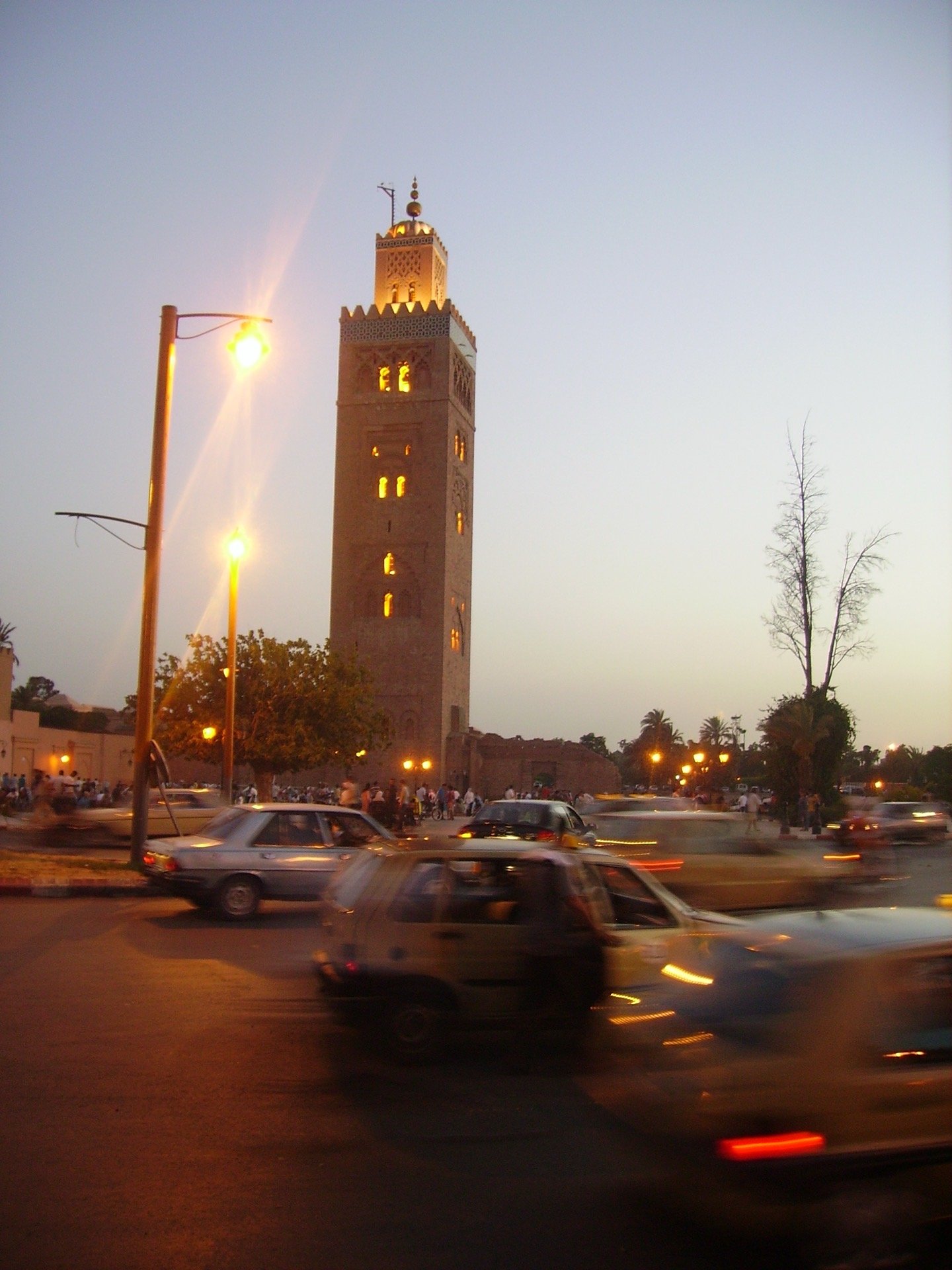
What Actually Changes for Tourists
Non-Muslim visitors are not expected to fast, and food and drink remain available throughout the day — but the country’s daily rhythm shifts around you, and a few practical things change:
- Eating and drinking in public during the day is legal for tourists but socially conspicuous. Discretion matters more than rule-following here — eat in your hotel, riad, or a tourist-oriented restaurant rather than visibly on the street, especially outside major cities.
- Restaurant hours shift. In Marrakech, Fes, Essaouira, and other tourist-heavy cities, many restaurants and hotels stay open through the day specifically for visitors. In smaller towns, local cafes and restaurants often close during daylight hours and only open from iftar onward, sometimes until well past midnight.
- Service pauses briefly at sunset. Restaurants generally stop table service for a few minutes right at iftar time so staff can break their fast — expect this delay if you’re dining out around sunset, and consider reserving ahead for evening meals.
- Dress modestly, more consistently. Covering shoulders and knees is good practice in Morocco year-round, but it matters more during Ramadan, when the atmosphere is more religiously observant across the board.
- Pace slows in the afternoon. By late afternoon, energy naturally dips for anyone fasting since sunrise — a reasonable thing to factor into how much you schedule for the hours right before iftar.
Where to Eat During the Day
Hotels and riads serve meals as normal throughout Ramadan, and restaurants in tourist zones of Marrakech, Fes, Essaouira, Chefchaouen, and other well-visited cities generally stay open, sometimes using curtained or screened sections so diners can eat without it being visible from the street — a practical, low-friction compromise rather than anything you need to feel awkward about. In smaller towns and rural stops, expect fewer daytime options; stock up on snacks and water if you’re on a driving day through less touristed areas, since a closed local cafe is more likely there than in Marrakech’s medina.
Iftar and Evening Life: The Highlight of Ramadan Travel
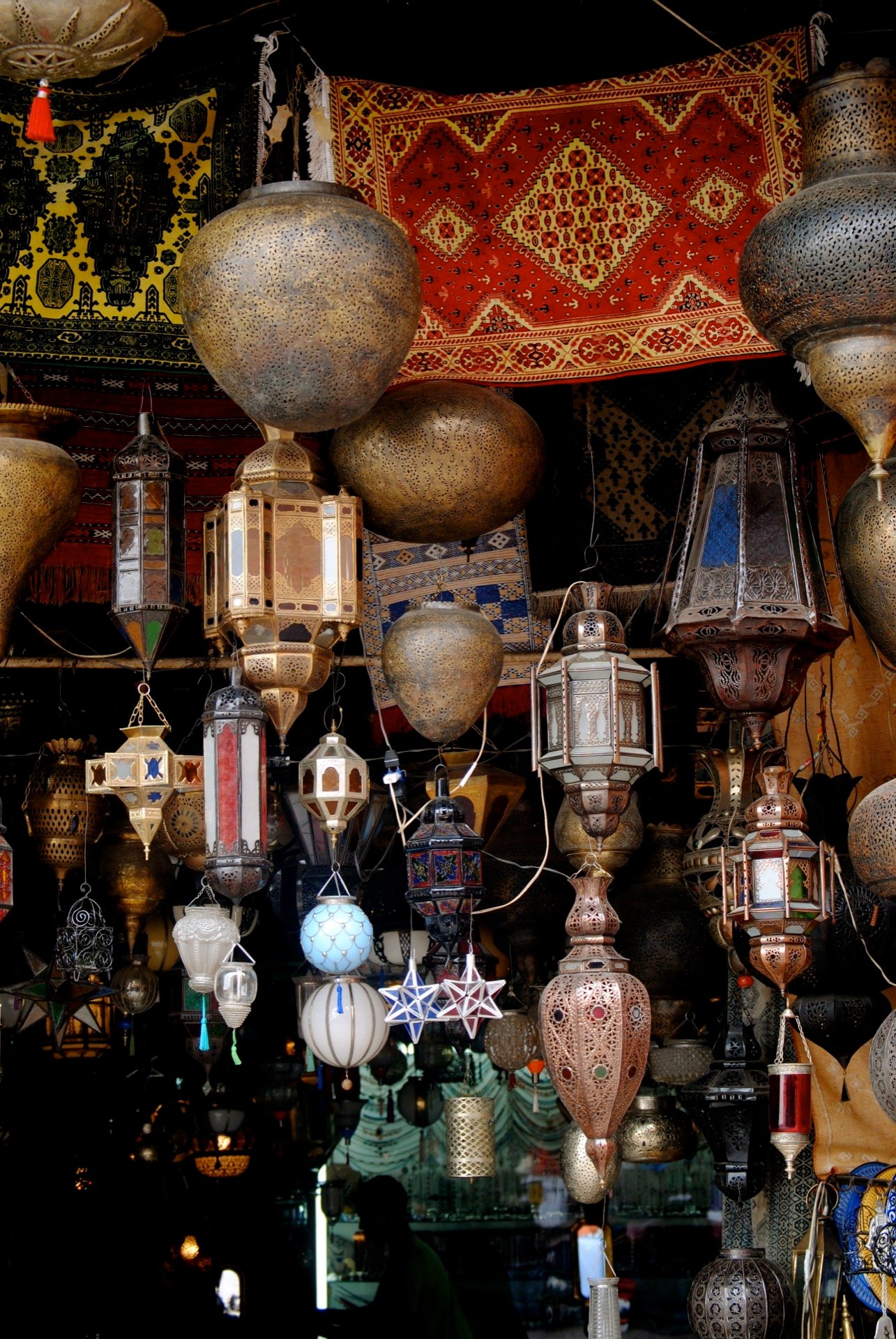
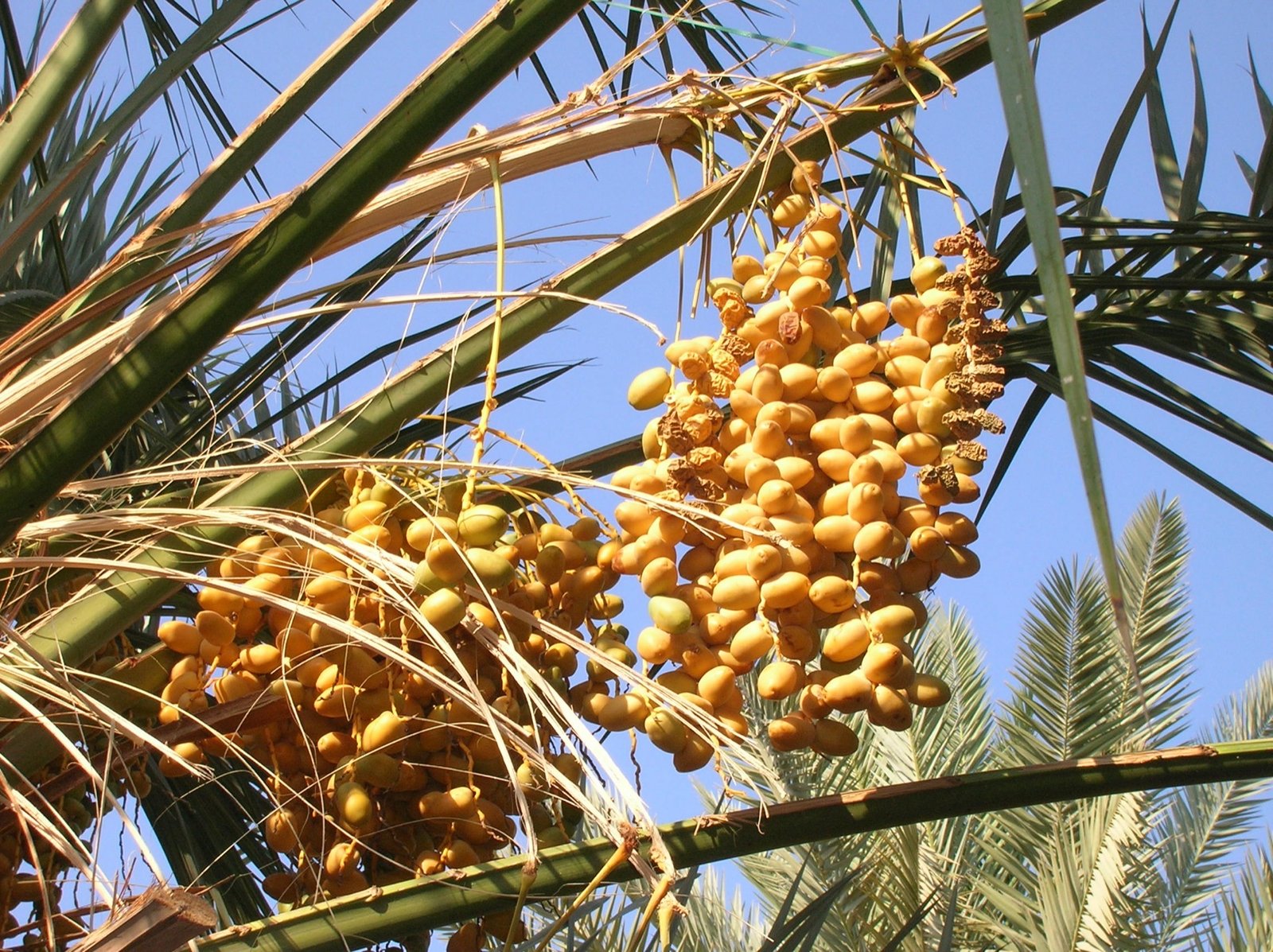
This is genuinely the best reason to consider a Ramadan trip. As the sunset call to prayer sounds, the fast breaks with dates and milk, followed by harira soup, hard-boiled eggs, and sweet pastries like chebakia — then, once the meal has settled, streets that were quiet all day fill up. Souks reopen, food stalls do their busiest trade of the day, and squares like Jemaa el-Fna in Marrakech take on a livelier, more local atmosphere than an ordinary evening. Lantern-lit alleys and a genuinely different pace after dark are the version of Morocco most visitors never get to see outside this month.
Sightseeing, Tours, and the Sahara During Ramadan
Monuments, palaces, and museums generally stay open during Ramadan, though hours can shift slightly, particularly in the late afternoon — confirm current hours locally rather than assuming a normal-season schedule. Guides and drivers are often fasting themselves, which can mean a somewhat calmer pace, especially later in the day; most handle this professionally, but it’s reasonable to build in a bit more downtime than you would outside Ramadan.
A Sahara desert trip during Ramadan is a genuinely distinctive experience worth highlighting: watching the sun go down over the dunes near Merzouga right as camp staff break their fast, followed by a proper iftar meal under the stars, is a version of the desert camp experience most visitors outside Ramadan never encounter. If a desert leg is part of your route, it’s worth asking your operator specifically how iftar is handled at camp.
If you’re mapping Ramadan dates against a specific route, our Morocco road trip itinerary and custom itinerary guide both apply here — the main adjustment for Ramadan is simply building in slightly more flexibility around late-afternoon stops and evening meal timing.
Eid al-Fitr: What Happens When Ramadan Ends
Eid al-Fitr, the holiday marking the end of Ramadan, is typically a 2–3 day public holiday and the single biggest domestic travel moment in Morocco’s calendar — millions of Moroccans travel to be with family, and it affects visitors in a few concrete ways:
- Transport gets significantly busier. ONCF trains and CTM buses run as normal but fill up fast in the days immediately before and after Eid — book at least a week ahead if your travel dates overlap.
- Many shops and businesses close as families gather to celebrate, particularly on the first day or two. Hotels and riads continue operating normally, and tourist-area restaurants generally stay open, but don’t expect typical souk or local-business hours right on the holiday itself.
- The days just before Eid are especially lively in markets and souks, as families shop for the celebration — an interesting time to be in a medina, if a busy one.
- By the second or third day, daily business activity gradually returns to normal.
If your trip lands right on the Eid dates, it’s worth deciding deliberately whether you want to be traveling that day (busier transport, some closures) or would rather build in a quieter buffer day around it.
Practical Tips for Ramadan Travel
- Book evening restaurant tables in advance in popular cities — the post-iftar dinner rush is real.
- Carry snacks and water for driving days through smaller towns where daytime options are limited.
- Build slightly more buffer time into afternoon activities and don’t over-schedule the hour or two right before sunset.
- Dress modestly, consistently, not just at religious sites.
- Check current Eid al-Fitr dates once they’re confirmed close to the date, and book intercity transport early if your trip overlaps.
- Ask your accommodation or tour operator directly about specific hours and iftar arrangements rather than assuming a normal-season schedule.
Common Misconceptions About Ramadan Travel
- “Tourists have to fast too.” No — non-Muslim visitors aren’t expected to fast; discretion in public is what matters, not abstaining from food yourself.
- “Everything closes during the day.” Not in tourist areas. Hotels, riads, and tourist-facing restaurants operate normally; it’s smaller local businesses, especially outside major cities, that scale back daytime hours.
- “Ramadan is a bad time to visit.” It’s a different trip, not a worse one — many travelers find the evening atmosphere genuinely more memorable than a standard visit.
- “The dates are fixed and predictable.” They shift roughly 11 days earlier every year and aren’t fully confirmed until a day or two before the month begins, based on moon sighting.
If you’re weighing whether Ramadan dates work for your trip or would rather plan around them, get in touch with our travel team — we can help you time an itinerary around the evening highlights of Ramadan or route around it entirely, depending on what you’d prefer.
Frequently Asked Questions
When does Ramadan start in Morocco in 2027?
Ramadan 2027 is expected to begin around February 7–8, based on astronomical projections. The exact date is confirmed only 24–48 hours in advance by official moon sighting.
Do tourists have to fast during Ramadan in Morocco?
No. Non-Muslim visitors aren’t required to fast, and food and drink remain available in hotels, riads, and tourist-area restaurants throughout the day. Discretion in public is appreciated, but fasting isn’t expected of you.
Are restaurants open during the day in Ramadan?
In tourist cities like Marrakech, Fes, and Essaouira, many restaurants and hotels stay open specifically to serve visitors. In smaller towns, local restaurants often close during the day and reopen from iftar onward.
Is it disrespectful to visit Morocco during Ramadan?
No, tourism continues normally and visitors are welcome. Being discreet about eating and drinking in public and dressing modestly are the main considerations, not avoiding travel altogether.
What is Eid al-Fitr and how does it affect travel?
Eid al-Fitr marks the end of Ramadan and is a 2–3 day public holiday. Transport gets significantly busier as Moroccans travel to be with family, and many shops close, though hotels and tourist-area restaurants continue operating.
Is it a good time to visit the Sahara desert during Ramadan?
Yes — watching sunset and iftar at a desert camp near Merzouga is a distinctive, memorable version of the desert experience. Ask your operator in advance how they handle iftar timing at camp.
Why do Ramadan dates change every year?
The Islamic calendar is lunar, about 11 days shorter than the solar calendar, so Ramadan shifts roughly 11 days earlier each year rather than falling on fixed dates.
Sources & References
- Visit Morocco — Moroccan National Tourist Office
Last updated: September 2026. The 2027 Ramadan and Eid al-Fitr dates above are astronomical projections and remain unconfirmed until official moon sighting shortly before the month begins — confirm current dates closer to your travel period, and check restaurant and site hours locally once you arrive.