
The imperial cities of Morocco are Fes, Marrakech, Meknes, and Rabat — four cities that each served, at different points across fourteen centuries, as the seat of a ruling dynasty. It’s not a marketing label; it’s a real historical arc, and understanding it changes how you experience each city, from Fes’s 9th-century medina to Rabat’s modern seafront capital.
This guide is for travelers deciding which imperial cities to include on a Morocco trip, or who want to understand what actually separates Fes from Marrakech from Meknes from Rabat before they choose. You’ll get the history behind each one, what’s genuinely worth seeing, realistic travel times between them, and how much time each deserves.
Morocco’s Four Imperial Cities at a Glance
| City | Dynasty / capital era | Founded / capital since | UNESCO listing |
|---|---|---|---|
| Fes | Idrisid; later Marinid capital | Founded 789 AD | Inscribed 1981 |
| Marrakech | Almoravid, then Almohad | Founded 1062 | Inscribed 1985 |
| Meknes | Alawite (Sultan Moulay Ismail) | Capital 1672–1727 | Inscribed 1996 |
| Rabat | Almohad origins; modern capital since 1912 | Capital since French Protectorate era | Inscribed 2012 |
What Makes a City “Imperial” in Morocco?
An imperial city, in the Moroccan context, is one that served as the political and religious capital of a ruling dynasty at some point in the country’s history — not a permanent title, but a historical fact tied to where sultans actually built their palaces, mosques, and madrasas. Morocco has had a genuinely unusual pattern of shifting capitals rather than one fixed seat of power, which is exactly why there are four rather than one, and why each city’s monuments reflect a different dynasty’s architectural style rather than a single unified “imperial” look.
Fes: The Oldest Imperial Capital
Fes was founded in 789 AD by Idris I, a direct descendant of the Prophet Muhammad and founder of the Idrisid dynasty, making it Morocco’s oldest imperial city by several centuries. It later became the Marinid capital in the 13th–14th centuries, the period that produced much of what visitors see today: monumental madrasas, the Al-Qarawiyyin mosque and university (among the oldest continuously operating universities in the world), and a medina — Fes el-Bali — so dense with over 9,000 alleyways that it’s considered the largest car-free urban area on earth.
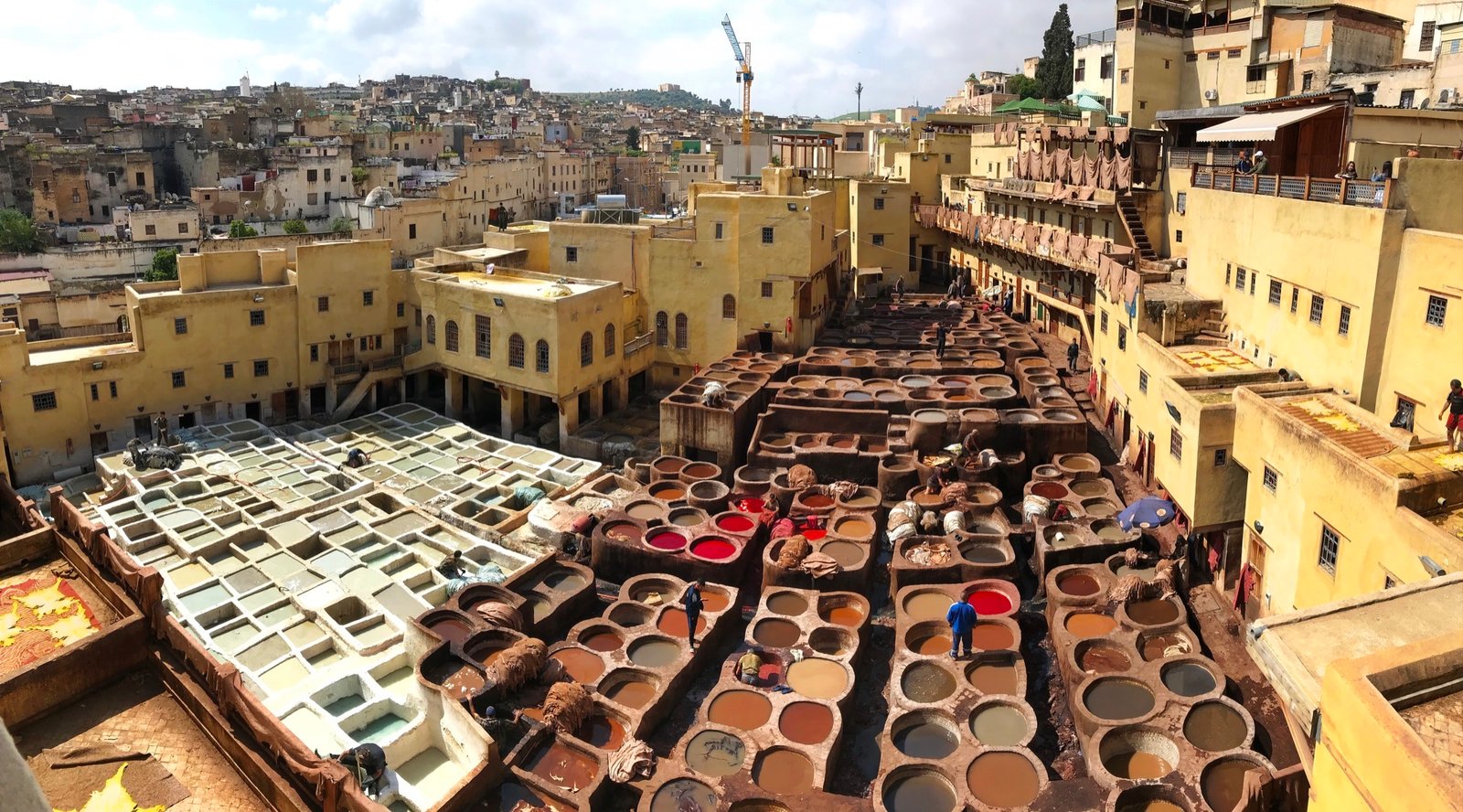
The Chouara Tannery, one of three in the city, has processed leather using largely the same method for centuries and is Fes’s most photographed working site — genuinely still in use, not a recreation for tourists.
Marrakech: The Red City
Marrakech was founded in 1062 by the Almoravid dynasty and later became the Almohad capital, the era that produced its most famous landmark: the Koutoubia Mosque minaret, the template for Moroccan minaret architecture that followed. Its nickname, the “Red City,” comes from the reddish clay used in its 12th-century walls and much of the medina’s construction, still visible today.
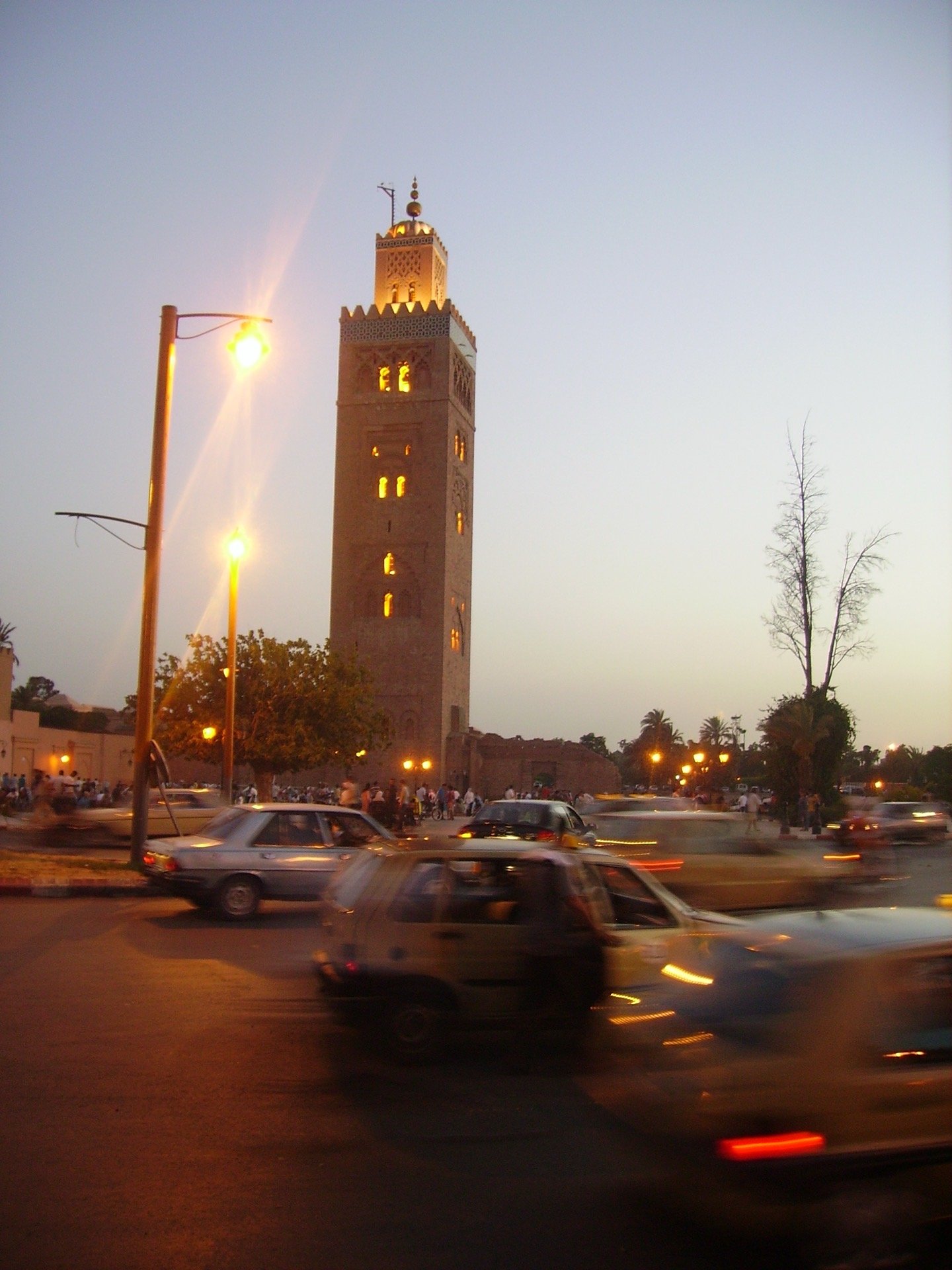
Marrakech is by far the most-visited of the four today, which is worth knowing going in: expect more tourist infrastructure and more crowds at major sites than the other three, alongside genuinely excellent food, souks, and day-trip access to the Atlas Mountains and Sahara routes covered elsewhere on this site.
Meknes: The City of a Hundred Minarets
Meknes has 11th-century Almoravid roots but reached its imperial peak under Sultan Moulay Ismail, who made it his Alawite capital from 1672 to 1727 and rebuilt it on a scale meant to rival European capitals of the era — sometimes called Morocco’s “Versailles” for this reason. Bab Mansour, the monumental ceremonial gate into the old kasbah, is the clearest single symbol of that ambition: heavily decorated, oversized, and built to impress rather than simply function.
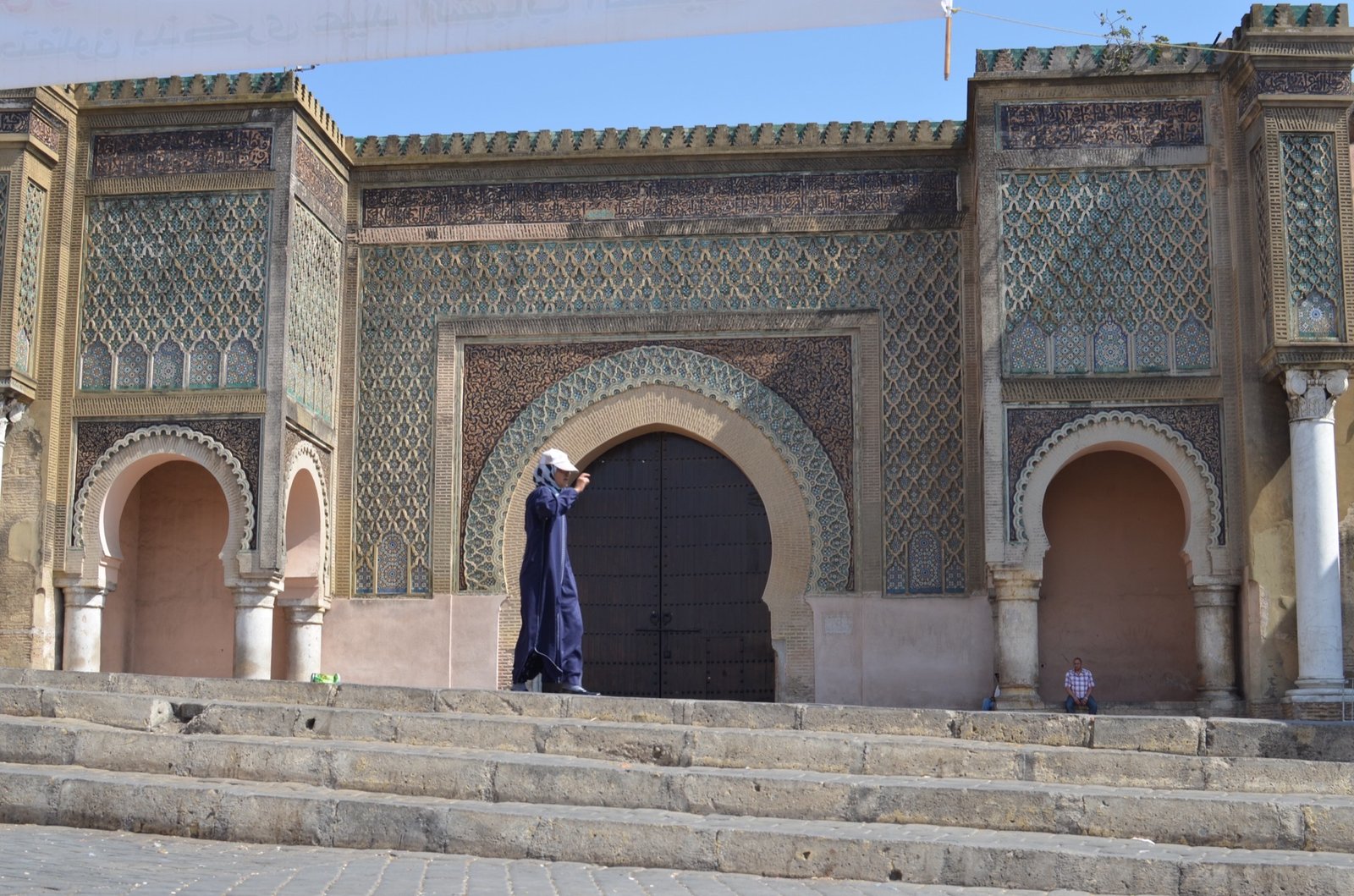
Meknes is also the most overlooked of the four on typical itineraries, largely because it sits close to Fes and gets treated as a day trip rather than a destination in its own right. It’s genuinely worth more than a few hours if you have the time, and it’s the closest imperial city to Volubilis, Morocco’s best-preserved Roman ruins, about 45 minutes away.
Rabat: Morocco’s Modern Capital
Rabat is the odd one out on this list in a useful way: it’s Morocco’s current, functioning capital, not only a historical one. Its Almohad-era roots go back to the 12th century — the unfinished Hassan Tower, begun in 1184, is the clearest remnant — but the imperial-city framing here really centers on the 20th century, when Rabat became the administrative capital under the French Protectorate starting in 1912 and remained so after Moroccan independence in 1956.
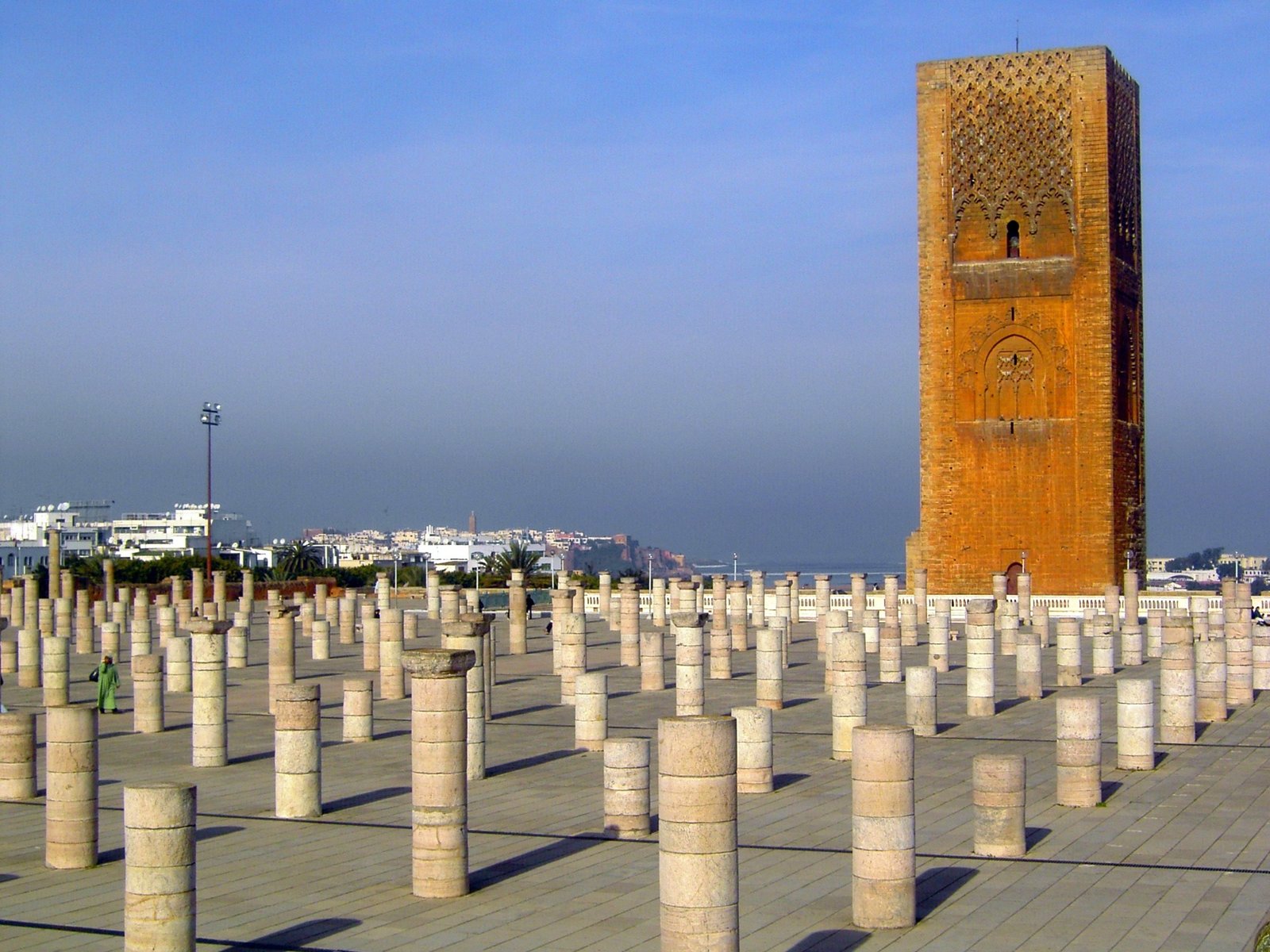
UNESCO’s 2012 listing for Rabat specifically recognizes this layered history — “a shared heritage” spanning the 12th-century Almohad ramparts, the 17th-century Kasbah des Oudayas, and the ambitious early-20th-century urban planning of the new town, all in one inscription. Rabat is quieter and less touristed than the other three, which many travelers find a genuine relief after Marrakech or Fes, not a drawback.
Comparing the Four Imperial Cities
| City | Best known for | Crowds | Time to allow |
|---|---|---|---|
| Fes | Medina, tanneries, Al-Qarawiyyin | Busy but less touristy than Marrakech | 2–3 days |
| Marrakech | Souks, Koutoubia, gateway to the Atlas/Sahara | Most crowded of the four | 2–3 days |
| Meknes | Bab Mansour, imperial-scale architecture, Volubilis access | Quiet, often just a day trip | 1 full day, more if paired with Volubilis |
| Rabat | Hassan Tower, Kasbah des Oudayas, modern capital life | Quiet, least touristy | 1–2 days |
How to Visit All Four
The good news: all four imperial cities are connected by Morocco’s ONCF rail network, so a full imperial-cities route doesn’t require renting a car if you’d rather not. Meknes and Fes sit close together (about an hour apart by train), and Rabat is well connected to both Casablanca and points south.
| Route | Approximate train time |
|---|---|
| Rabat → Meknes | ~2 hours |
| Meknes → Fes | ~1 hour |
| Marrakech → Rabat | ~3.5 hours |
| Fes → Marrakech | Sources vary widely, roughly 7–11 hours depending on service — check current ONCF schedules rather than assuming a fixed time |
Because Fes and Marrakech are far apart with no direct fast connection, most travelers sequence the route as Rabat → Meknes → Fes, then either fly or take a long train/bus back south to Marrakech, or treat Marrakech as a separate leg of the trip entirely, often combined with the Atlas Mountains and Sahara route covered in our Morocco road trip itinerary.
Common Misconceptions
- “Imperial city” means it’s still the capital. Only Rabat is Morocco’s current capital; the other three are imperial in a historical sense.
- All four are equally touristy. Marrakech and Fes see far more visitors than Meknes or Rabat, which changes the pace and atmosphere considerably.
- You need to see all four in one trip. Many well-planned Morocco itineraries only include two or three, prioritizing depth over completeness.
- Meknes isn’t worth a dedicated stop. It’s routinely reduced to a rushed Volubilis day trip from Fes, when it has enough on its own — particularly Bab Mansour and the old imperial kasbah — to justify real time.
If you’re trying to work out which imperial cities fit your route and how much time to give each one, contact our travel team to build a custom itinerary around the cities and pace that actually match your trip.
Frequently Asked Questions
What are the four imperial cities of Morocco?
Fes, Marrakech, Meknes, and Rabat — each served as the capital of a different ruling dynasty at some point in Morocco’s history.
Which is the oldest imperial city?
Fes, founded in 789 AD by Idris I, is the oldest by several centuries.
Is Rabat or Marrakech the capital of Morocco?
Rabat is Morocco’s current capital, and has been since 1912. Marrakech was a historical capital under the Almoravid and Almohad dynasties but is not the modern seat of government.
How many days do you need to see all four imperial cities?
Realistically 7–10 days if you want proper time in each rather than a rushed pass-through, given Fes and Marrakech alone deserve 2–3 days each and travel between Fes and Marrakech takes most of a day.
Can you visit the imperial cities by train?
Yes, all four are connected by Morocco’s ONCF rail network, though the Fes-to-Marrakech leg is long with no fast direct service — check current schedules and consider flying that specific leg if time is limited.
Is Meknes worth visiting, or just Fes and Marrakech?
It’s worth it if you have the time. Meknes is quieter and less touristed than Fes or Marrakech, with genuinely impressive imperial-era architecture at Bab Mansour and easy access to the Roman ruins at Volubilis.
Sources & References
- UNESCO World Heritage Centre — Medina of Fez
- UNESCO World Heritage Centre — Medina of Marrakesh
- UNESCO World Heritage Centre — Historic City of Meknes
- UNESCO World Heritage Centre — Rabat, Modern Capital and Historic City: a Shared Heritage
- ONCF — Morocco’s national railway
Last updated: September 2026. Train schedules and travel times change — confirm current ONCF timetables before booking, particularly for the Fes–Marrakech leg.