Morocco rewards travelers who show up prepared and confuses the ones who don’t. It’s close to Europe, visa-free for most Western nationalities, and increasingly easy to reach — but it runs on its own currency, its own bargaining culture, and its own rhythm that’s genuinely different from most of Europe or North America.
This guide covers 20 practical Morocco travel tips for first-time visitors: what to sort out before you fly, how money and bargaining actually work, how to get around, the cultural and safety basics that matter, and the small logistics people forget until they’re standing in a medina without an answer. Everything here is the kind of thing you want to know before you land, not after.
Morocco at a Glance
| Currency | Moroccan Dirham (MAD) — closed currency, can’t be bought abroad |
| Languages | Arabic and Amazigh (official); French widely used; Spanish in the north |
| Visa | Not required for most EU, UK, US, Canadian, Australian, and GCC passport holders for stays up to 90 days |
| Electrical plug | Type C / Type E, 220V, 50Hz — same as continental Europe |
| Time zone | GMT+0 to GMT+1 (Morocco observes a form of DST; check current offset before you travel) |
| Best time to visit | March–May and September–November for mild temperatures countrywide |
Before You Fly (Tips 1–4)
-
Check your visa status by nationality, not by assumption. Around 70 nationalities, including EU/Schengen citizens, the UK, US, Canada, Australia, and the GCC states, can enter Morocco visa-free for tourism for up to 90 days. Your passport needs at least 6 months’ validity beyond your travel dates and a blank page for entry stamps. Requirements change by nationality and occasionally by policy, so confirm on Morocco’s official diplomatic portal or with your nearest Moroccan consulate rather than a travel blog, including this one.
-
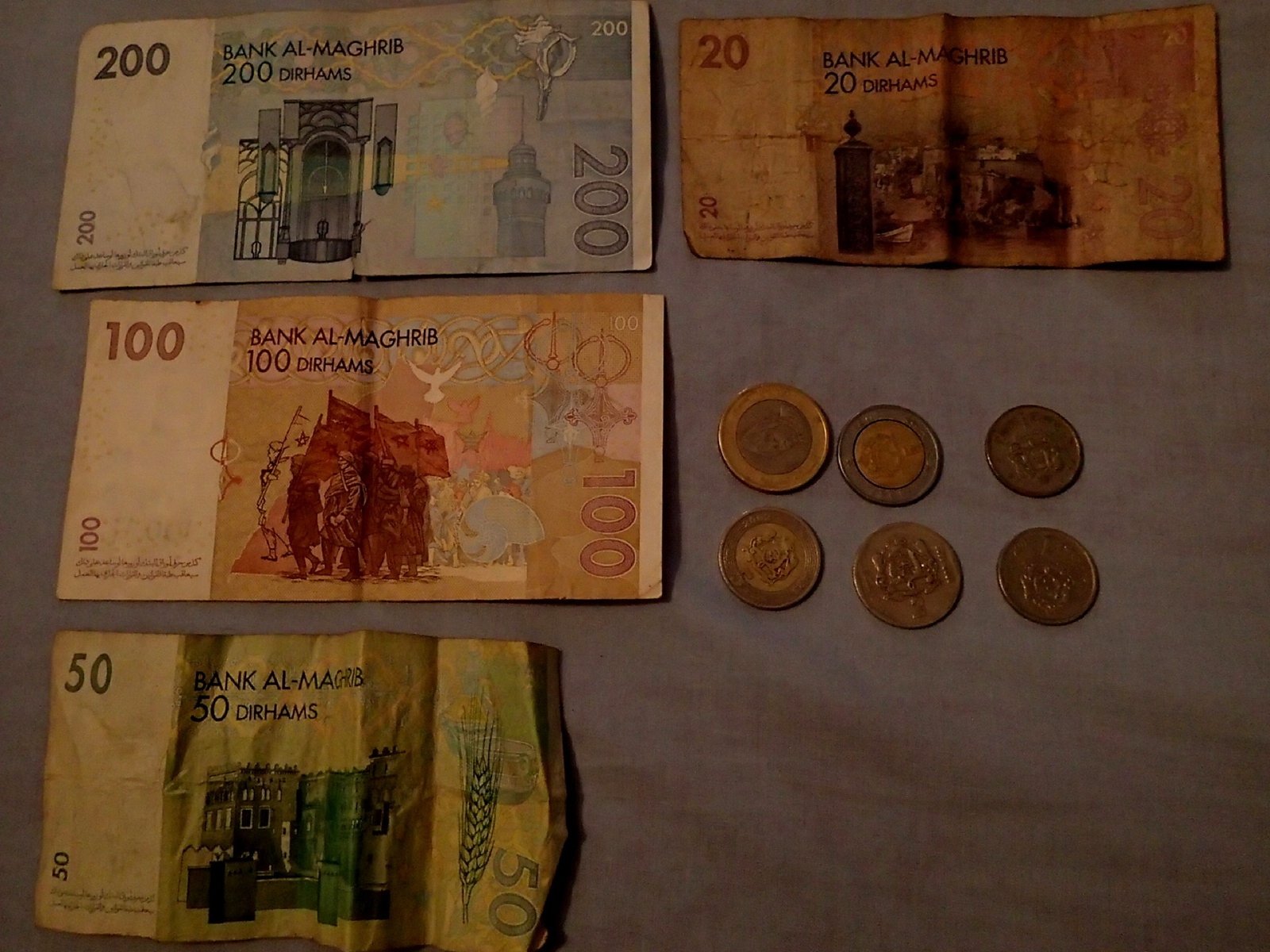
You cannot buy Moroccan dirhams before you arrive. The dirham is a closed currency — it isn’t traded internationally, and import/export is capped at 2,000 MAD per person. In practice, this means exchanging money happens inside Morocco (airports, banks, and licensed exchange bureaus all do it), and any amount left over at the end of your trip should be reconverted before departure, since you can’t legally take much of it home.
-
Pack for modesty, not for the beach. Morocco is a majority-Muslim country, and while cities like Marrakech and Casablanca are used to tourists, comfortable, loose-fitting clothing that covers shoulders and knees is more practical than what you’d wear in southern Spain, especially for visiting mosques, medinas, and rural areas. This matters more for women, but it applies to everyone — shorts and tank tops mark you as a tourist and can draw more unwanted attention in non-touristy areas.
-
Time your trip around temperature, not just price. Morocco’s climate swings hard by region and season: Marrakech and the south can be uncomfortably hot from June to August (over 40°C / 104°F is common), while the Sahara drops close to freezing on winter nights despite warm days. March–May and September–November give you mild weather nearly everywhere. If your trip falls during Ramadan, note that many local restaurants close during daylight hours and reopen after sunset — tourist-facing restaurants generally stay open, but it’s worth checking current Ramadan dates before you book, since the dates shift about 11 days earlier every year.
Money, Bargaining, and Costs (Tips 5–8)
-
Carry cash for anything outside hotels and larger restaurants. Cards are accepted at hotels, riads, and established restaurants in bigger cities, but souks, petit taxis, small cafes, and rural areas run on cash. ATMs are common in cities and generally reliable; withdraw what you need for a few days rather than large single sums, and let your bank know you’re traveling to avoid a blocked card.
-
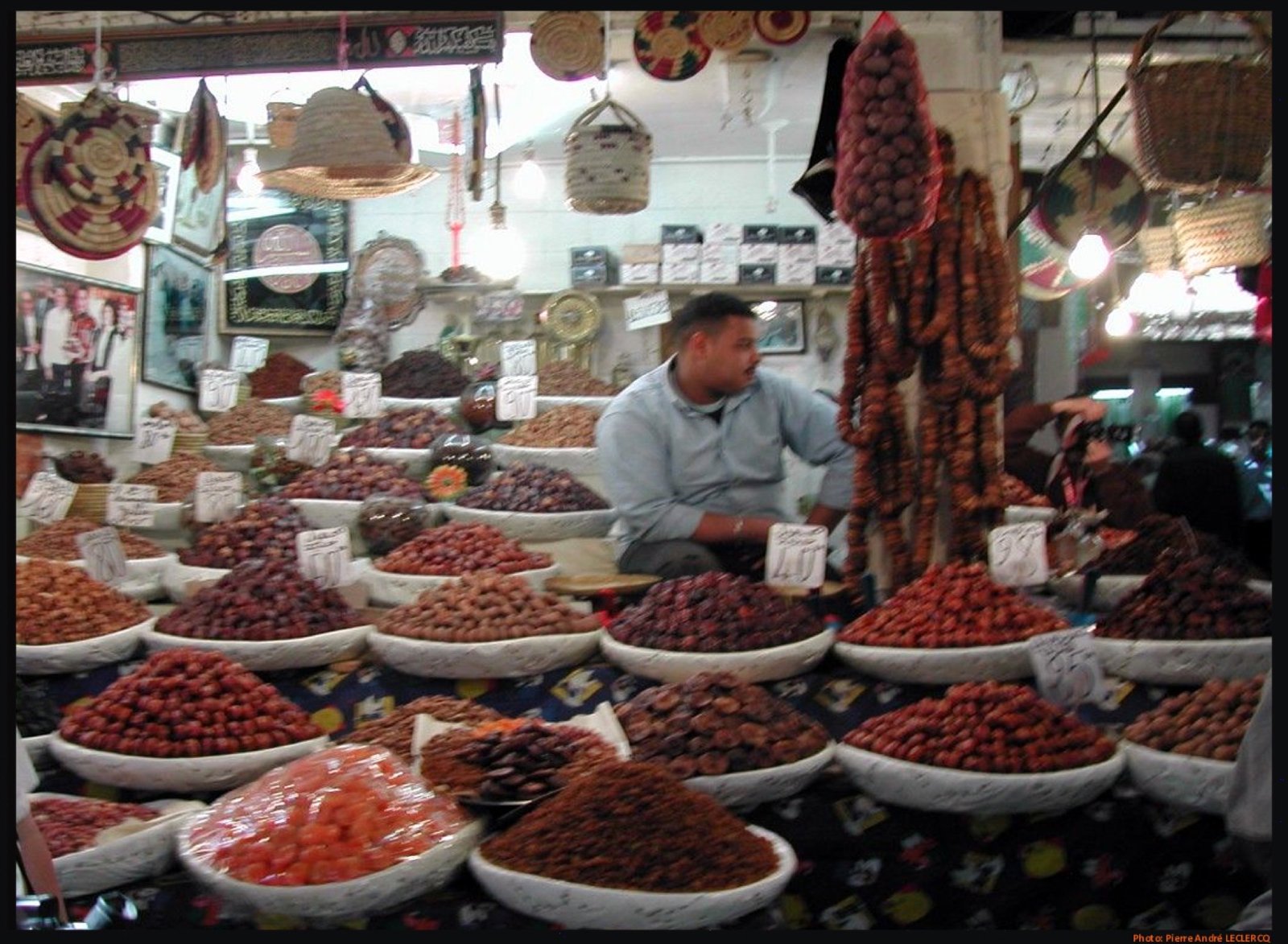
Bargaining in souks is expected, not rude. Fixed prices are the exception, not the rule, in most medina shops. A reasonable approach is to have a rough target price in mind, counter an initial offer at roughly half, and settle somewhere in the middle — treat it as a normal, even social, part of the transaction rather than a confrontation. Shops with clearly marked price tags (common in newer or government-certified artisan cooperatives) are the exception where bargaining isn’t expected.
-
Tip modestly, but tip. Around 10% in sit-down restaurants, a few dirhams for petit taxi drivers who round in your favor, and small amounts (5–20 MAD) for porters, guides, or anyone who’s genuinely helped you are standard. It’s not obligatory the way it can feel in the US, but it’s part of the local economy and expected in tourism-facing roles.
-
Set a realistic daily budget by travel style. A backpacker eating street food and staying in hostels can get by on roughly 300–500 MAD (€28–47) a day outside major transport and tours. A comfortable mid-range trip with riad stays and sit-down meals runs closer to 800–1,500 MAD (€75–140) a day per person. Guided tours, private drivers, and desert camps sit on top of that as separate line items, and pricing varies significantly by season and how far in advance you book.
Getting Around Morocco (Tips 9–12)
-
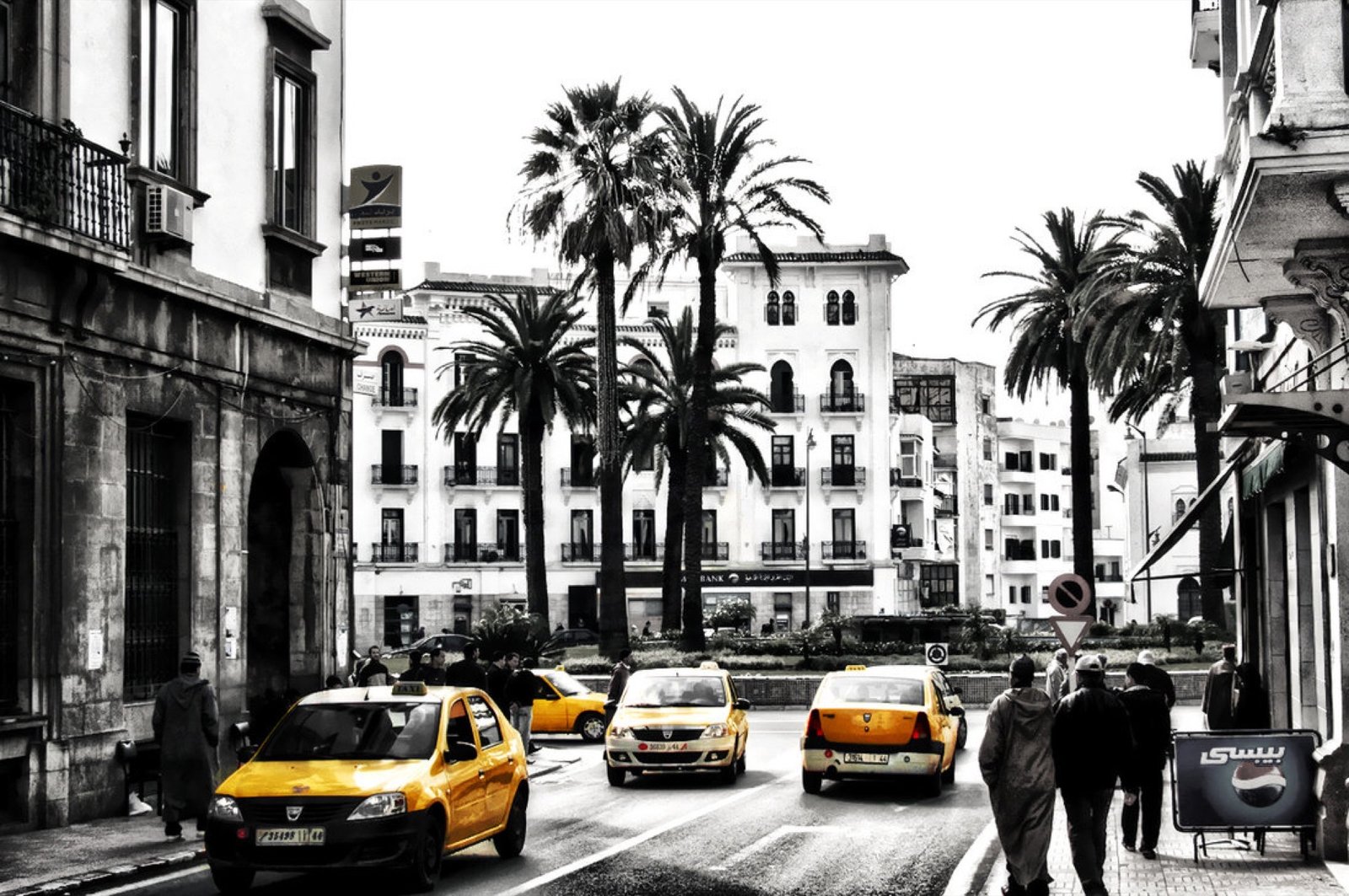
Know the difference between petit taxis and grand taxis. Petit taxis are small, color-coded by city (blue in Casablanca, beige in Marrakech, yellow in Tetouan), metered or negotiated in advance, and limited to three passengers within city limits. Grand taxis are older sedans that run fixed intercity or cross-town routes, usually shared with other passengers unless you pay for all the seats yourself. Always confirm the price (or insist on the meter) before the petit taxi pulls away.
-
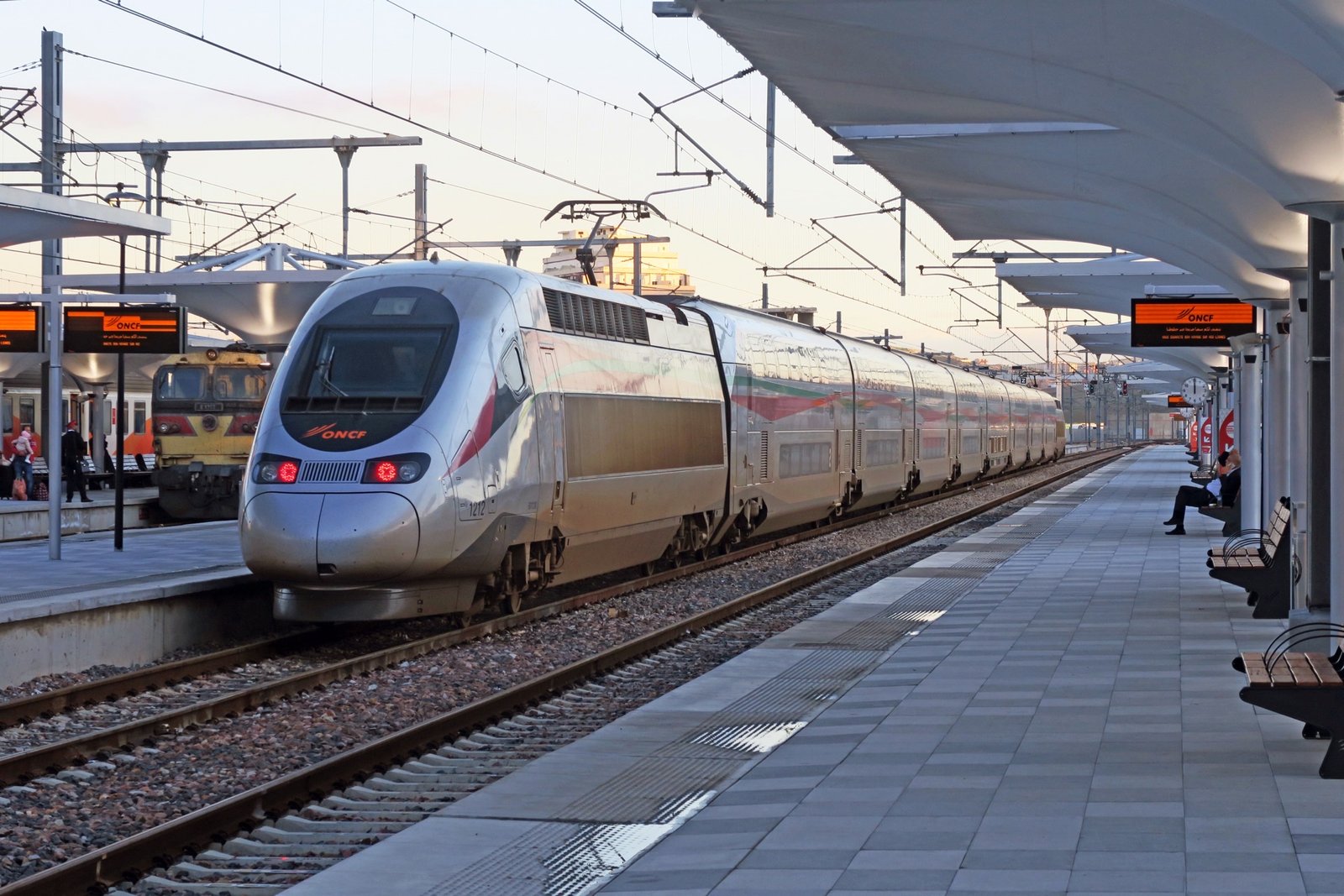
Trains are the most comfortable way to cover long distances. ONCF, Morocco’s national railway, runs the Al Boraq high-speed line between Tangier and Casablanca (via Rabat) in about 2 hours 10 minutes at up to 320 km/h — the first high-speed rail line in Africa. Marrakech and Fes aren’t on the high-speed line itself, but are well connected by regular ONCF trains that link up with it through Casablanca. For routes without rail service, like Chefchaouen or Merzouga, CTM buses or a private/shared transfer are the practical options.
-
Medinas are pedestrian mazes on purpose. Historic medinas (Marrakech, Fes, Chefchaouen) were built before cars existed, with narrow alleys designed to stay cool and disorient outsiders. GPS often struggles inside them. Getting genuinely lost for twenty minutes is a normal, even enjoyable, part of the experience — but agree on a meeting point with your group before you go in, and know that a “helpful local” who offers to guide you out often expects a tip at the end.
-
Sort out connectivity on arrival, not before. A local SIM (Maroc Telecom has the widest coverage, including the Atlas and Sahara; Orange and Inwi are solid in cities) costs roughly 30–50 MAD for several gigabytes of data at any phone shop, and requires your passport to register. An eSIM purchased in advance is faster to set up and typically costs more, but gets you connected the moment you land, before you’ve found a shop.
If your route runs further south — toward Ouarzazate, Ait Ben Haddou, or the Sahara near Merzouga — trains stop being an option and a planned road itinerary matters more. Our guide to building a custom Morocco itinerary covers how to sequence those legs realistically.
Culture, Etiquette, and Safety (Tips 13–17)
-
Dress code matters more at religious sites and in rural areas than in tourist zones. Non-Muslims generally cannot enter working mosques in Morocco (the Hassan II Mosque in Casablanca is the well-known exception, with paid guided tours outside prayer times). Covering shoulders and knees is a mark of respect at any religious or rural site, and it’s worth keeping a light scarf or layer on hand even on hot days for this reason.
-
Alcohol is available but not everywhere. It’s sold in licensed hotels, tourist restaurants, and some bars and supermarkets in larger cities, but not in most local restaurants or smaller towns, and public drunkenness is frowned upon. Don’t expect a bottle of wine with a home-style meal outside of a riad or licensed venue.
-
The most common “scams” are overcharging and unsolicited guiding, not anything dangerous. The most frequent friction points are unofficial guides who latch onto you near medina entrances, henna artists who quote a low price then charge per design element, and rooftop or “look, just for looking” shop invitations that lead to sales pressure. None of this is a safety threat — it’s a bargaining and boundary-setting situation. A polite, firm “no, thank you” repeated once or twice works; you don’t owe an explanation.
-
Morocco is, overall, a safe destination for travelers, including solo women, but normal city-travel awareness applies. Petty theft and pickpocketing in crowded markets are the realistic risk, not violent crime. Solo female travelers generally report Morocco as manageable with standard precautions (confident body language, avoiding empty streets late at night, dressing modestly), though unwanted attention and comments in medinas are a more common annoyance than a safety issue. As with any destination, check your own government’s current travel advisory before you go, since conditions can change.
-
Learn a few words of Darija or French — it changes how you’re treated. “Shukran” (thank you), “salam” (hello), and “bshhal” (how much?) go a long way, even in tourist-heavy areas. French is widely spoken in cities and business settings; English is common in tourism but less so once you’re off the main routes.
Practical Logistics (Tips 18–20)
-
Pack one universal plug adapter, not a voltage converter. Morocco uses Type C/E sockets at 220V, the same standard as continental Europe. Most phones, cameras, and laptops are already dual-voltage (110–240V), so a simple adapter is all you need — check the label on your charger to be sure before you assume.
-
Don’t drink the tap water, even though it’s technically treated. Municipal water in major cities is treated at the source, but aging pipework and a mineral profile your system isn’t adjusted to commonly cause stomach upset in visitors. Sealed bottled water is inexpensive and sold everywhere; it’s the simplest precaution on this whole list.
-
Pack layers, not just summer clothes, if the Sahara is on your route. Desert nights swing dramatically colder than the daytime heat suggests, especially between November and March, when temperatures near Merzouga can drop close to freezing after sunset. A warm layer for desert camp evenings is one of the most commonly forgotten items among first-time visitors headed south.
Quick Pre-Departure Checklist
- Passport valid 6+ months with a blank page, visa status confirmed for your nationality
- No dirhams to buy at home — budget to exchange or withdraw after you land
- Modest clothing packed, plus a light scarf or layer for religious sites
- Type C/E plug adapter (no voltage converter needed for most devices)
- SIM/eSIM plan decided before or right after arrival
- A warm layer packed if your route includes the Sahara or high-altitude stops
- Bank notified of travel dates; cash plan for souks and small towns
If you’d rather not manage all of this piece by piece — visas, routes, transport between cities, and where cash versus cards actually work — that’s exactly what a planned itinerary solves. See our guide on building a custom Morocco itinerary, or contact our travel team to talk through your route.
Frequently Asked Questions
Do I need a visa to visit Morocco?
Most travelers from the EU, UK, US, Canada, Australia, and GCC states don’t need a visa for tourist stays up to 90 days. Requirements vary by nationality, so confirm with Morocco’s official diplomatic channels before booking.
Can I use euros or dollars in Morocco?
Not for everyday purchases. The dirham is a closed currency used only inside Morocco, so you’ll need to exchange money or withdraw dirhams from an ATM after you arrive. A few tourist-facing hotels may quote prices in euros, but you’ll still pay in dirhams.
Is Morocco safe for tourists?
Yes, for the overwhelming majority of visitors, including solo women, with standard city-travel precautions. The realistic risks are petty theft and overcharging, not violent crime. Check your government’s current travel advisory before you go.
How much should I bargain in Moroccan souks?
There’s no fixed rule, but starting around half the initial asking price and settling in the middle is a reasonable approach in most unmarked souk shops. Fixed-price shops and artisan cooperatives are the exception.
What should I wear in Morocco as a tourist?
Loose, comfortable clothing covering shoulders and knees is the practical baseline, especially outside major tourist zones and at religious sites. Beachwear and very short clothing are fine at resorts and pools but not appropriate in medinas or mosques.
What’s the best way to travel between Moroccan cities?
ONCF trains, including the Al Boraq high-speed line between Tangier and Casablanca, are the most comfortable option where rail service exists. CTM buses or a private/shared transfer cover routes without trains, such as Chefchaouen or the Sahara near Merzouga.
Is tap water safe to drink in Morocco?
It’s not recommended for visitors, even though it’s treated in major cities. Stick to sealed bottled water, which is inexpensive and widely available.
Do I need cash or can I use cards everywhere?
Cards work at hotels, riads, and established restaurants in cities, but souks, petit taxis, and small towns generally run on cash. Carry dirhams for daily spending and withdraw as needed from city ATMs.
Sources & References
- Morocco Ministry of Foreign Affairs and African Cooperation — official visa and entry information
- Moroccan Customs Administration (ADII) — currency import/export regulations
- ONCF — Morocco’s national railway, including Al Boraq routes and timetables
- Visit Morocco — Moroccan National Tourist Office
Last updated: September 2026. Visa rules, exchange regulations, train timetables, and Ramadan dates change — confirm current details through the official sources above before you travel.