Morocco travel costs vary more by travel style than almost any other Mediterranean or North African destination — a backpacker and a luxury traveler can spend a night in the same medina fifteen minutes apart from each other for €10 or €400. That range makes generic “Morocco is cheap” advice mostly useless for actual planning.
This is a full cost breakdown by category — accommodation, food, transport, activities, and desert tours — with real price ranges for budget, mid-range, and luxury travel, so you can build an accurate budget for your own trip rather than guess from a single “how much does Morocco cost” headline number.
Quick Answer: Daily Budget by Travel Style
| Travel style | Daily budget (per person, 2 traveling together) | What it typically includes |
|---|---|---|
| Budget | 300–500 MAD (€28–47 / $30–50) | Hostel or budget riad, street food and casual meals, public transport and shared taxis |
| Mid-range | 800–1,500 MAD (€75–140 / $80–150) | Comfortable riad, sit-down restaurant meals, a mix of private driver and public transport |
| Luxury | 2,500 MAD+ (€230+ / $250+) | High-end riads or hotels, private guided tours, private drivers throughout |
These figures cover day-to-day spending only — flights, multi-day desert tours, and one-off entry fees are separate line items, broken down below.
Flights to Morocco
Flights are the single most origin-dependent, volatile cost in any Morocco budget, and no general guide can price them precisely for your specific route. As a rough frame: budget European carriers connect major cities to Marrakech or Casablanca for as little as €50–150 round trip when booked in advance outside peak season, while long-haul flights from North America or further afield typically run $600–1,200+ round trip. Prices rise 30–50% during peak season (spring and autumn) and around major holidays, so booking 2–3 months ahead generally beats last-minute searches.
Visa and Entry Costs
Most travelers from the EU, UK, US, Canada, Australia, and GCC states enter Morocco visa-free for tourism, so there’s no visa cost for the majority of visitors. If your nationality requires a visa or an e-visa, there is a processing fee, which varies by nationality and visa type — confirm the current amount directly on Morocco’s official e-visa portal or with your nearest consulate rather than relying on third-party estimates, since visa fees change and vary too much by nationality to state a single figure reliably here.
Accommodation Costs
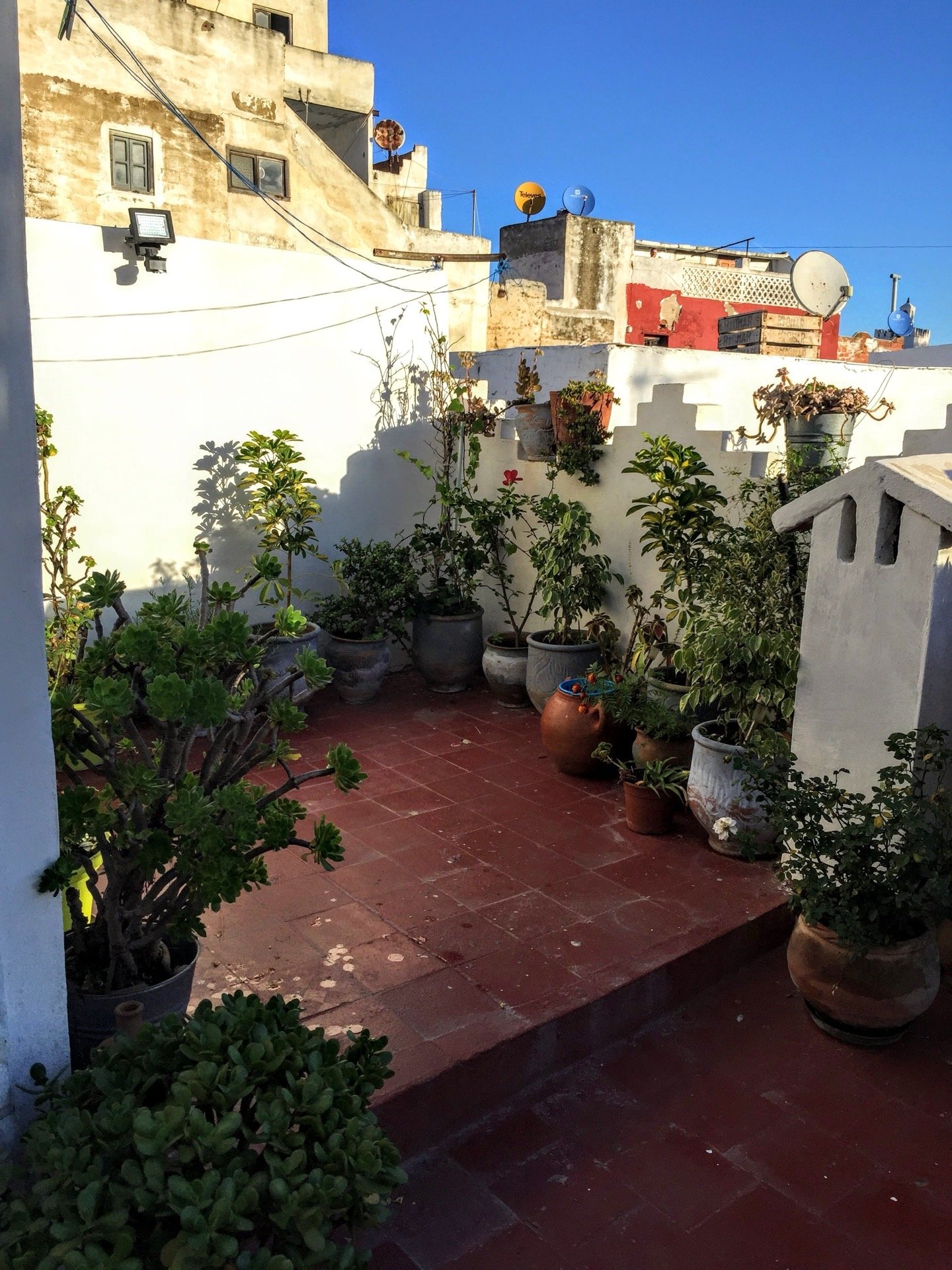
Accommodation is where travel style changes your budget the most. A traditional riad (a courtyard guesthouse, usually inside the medina) is the most common style of stay and typically includes breakfast, while modern hotels are more common outside the old cities.
| Tier | Price per night (2 sharing) | What to expect |
|---|---|---|
| Hostel / budget riad | 150–700 MAD (€14–65) | Shared or basic private room, breakfast often included at riads |
| Mid-range riad | 700–1,500 MAD (€65–140) | Ensuite room, courtyard or small plunge pool, breakfast included |
| Luxury riad / hotel | 1,500–5,000+ MAD (€140–460+) | Full-service riad or 5-star hotel, spa, restaurant on-site |
Marrakech runs 20–40% higher than Fes or Essaouira for a comparable riad, purely due to demand. High season (March–May and September–November) can add another 30–50% on top of base rates, so shoulder-season travel is one of the simplest ways to cut accommodation costs without downgrading quality.
Food Costs
| Meal tier | Price per person |
|---|---|
| Street food meal | 40–80 MAD (€4–8) |
| Casual local restaurant | 60–120 MAD (€6–12) |
| Mid-range restaurant / riad dinner | 150–350 MAD (€14–33) |
| High-end dining | 400 MAD+ (€38+) |
Bottled water runs 5–10 MAD and is the one food-budget line every traveler needs regardless of style, since tap water isn’t recommended for visitors. Our Moroccan food guide covers what to actually order at each price point, including which street food is worth prioritizing.
Transport Costs
| Option | Typical cost | Best for |
|---|---|---|
| Petit taxi (in-city) | 10–30 MAD short rides | Getting around within one city |
| ONCF train | Varies by distance; Tangier–Casablanca (Al Boraq) roughly 200–350 MAD | City-to-city travel where rail exists |
| CTM intercity bus | Generally cheaper than trains; varies by route | Routes without rail service |
| Private driver (car + driver, per day) | $90–150 (premium/SUV: $200–300) | Multi-city routes, flexibility, families, the south/desert legs |
A common misconception is that a private driver is a luxury-only expense. Split across 3–4 people, a $120/day driver works out close to $30–40 per person — often cheaper than the combined cost of taxis, tickets, and the time lost coordinating public transport across a multi-city route, especially toward the south where trains don’t reach.
Activities and Entry Fees
| Site | Entry fee (foreign visitor) | Note |
|---|---|---|
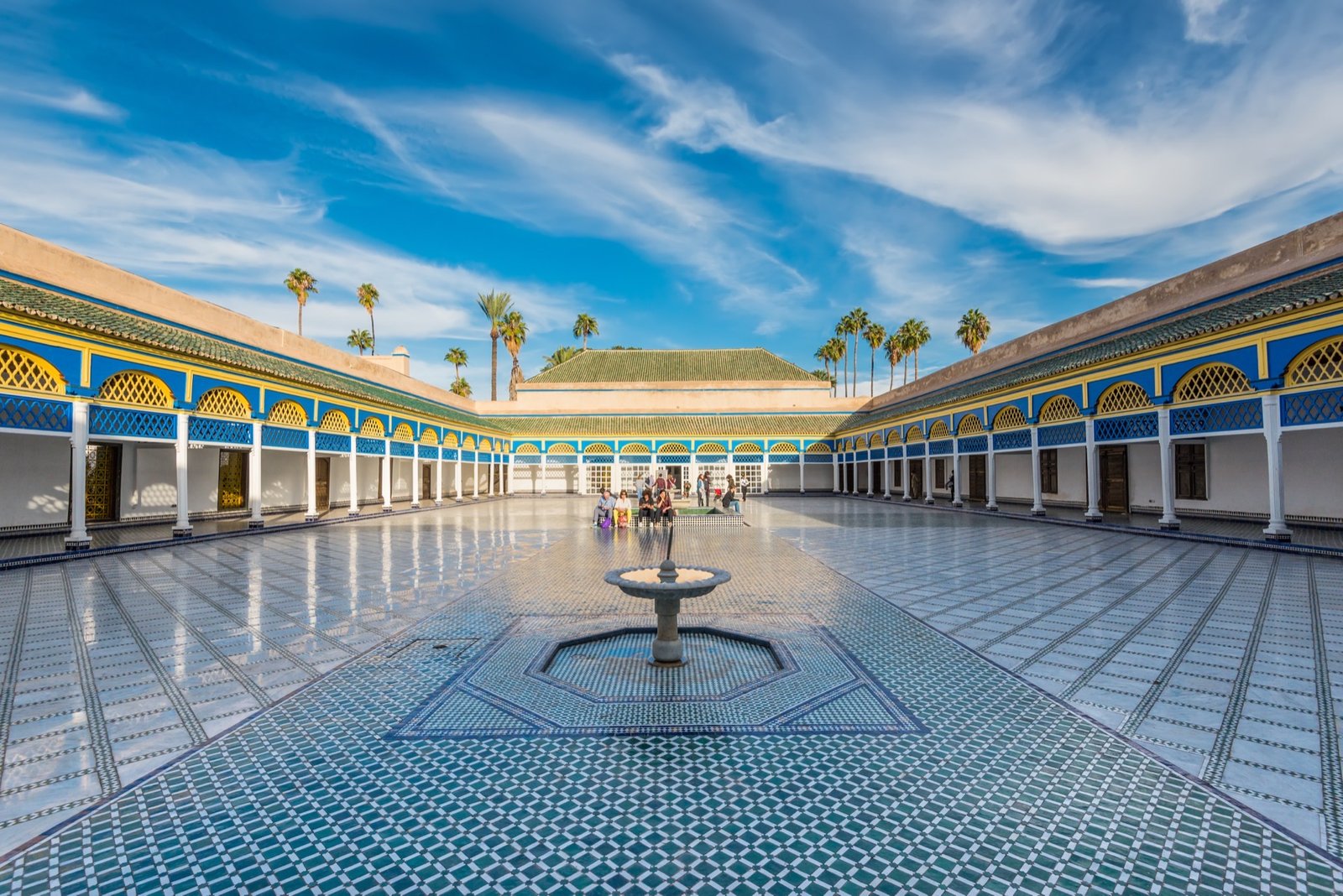
| Bahia Palace, Marrakech | 100 MAD adult / 50 MAD child (7–13) | Official price via Morocco’s Ministry of Culture e-ticketing portal |
| Hassan II Mosque, Casablanca | Guided tour ticket required for non-Muslims; check current pricing on-site | One of the only mosques in Morocco open to non-Muslim visitors |
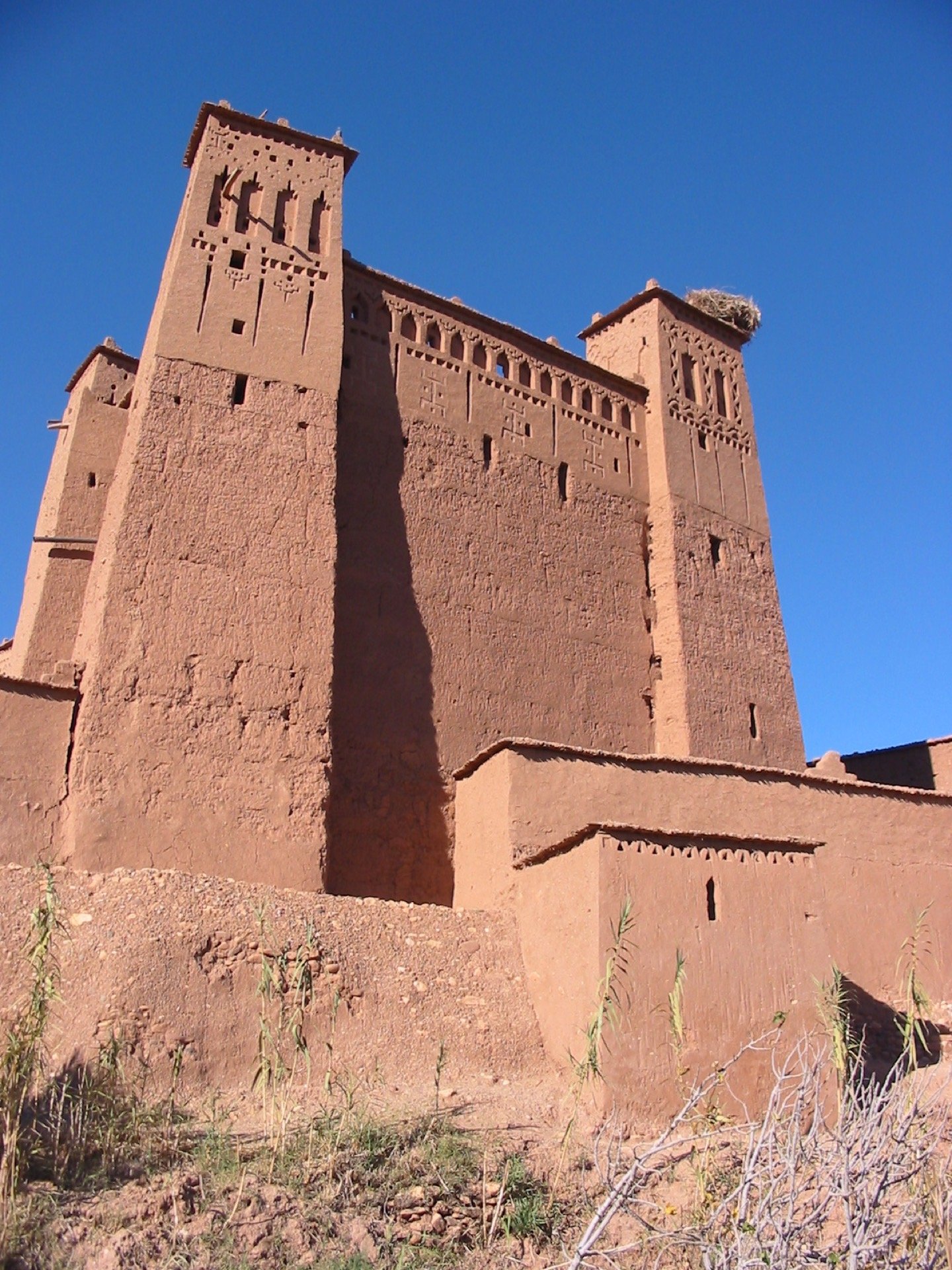
| Ait Ben Haddou (UNESCO ksar) | No fixed official entry fee; small footbridge or individual-kasbah fees around 10–20 MAD | Ignore anyone unofficial demanding a larger “entrance fee” at the approach — it’s not official |
Individually, entry fees are small, but a two-week itinerary hitting several palaces, museums, and kasbahs can add up to 500–1,000 MAD per person over the trip — worth budgeting as its own category rather than assuming it’s negligible.
Sahara Desert Tour Costs
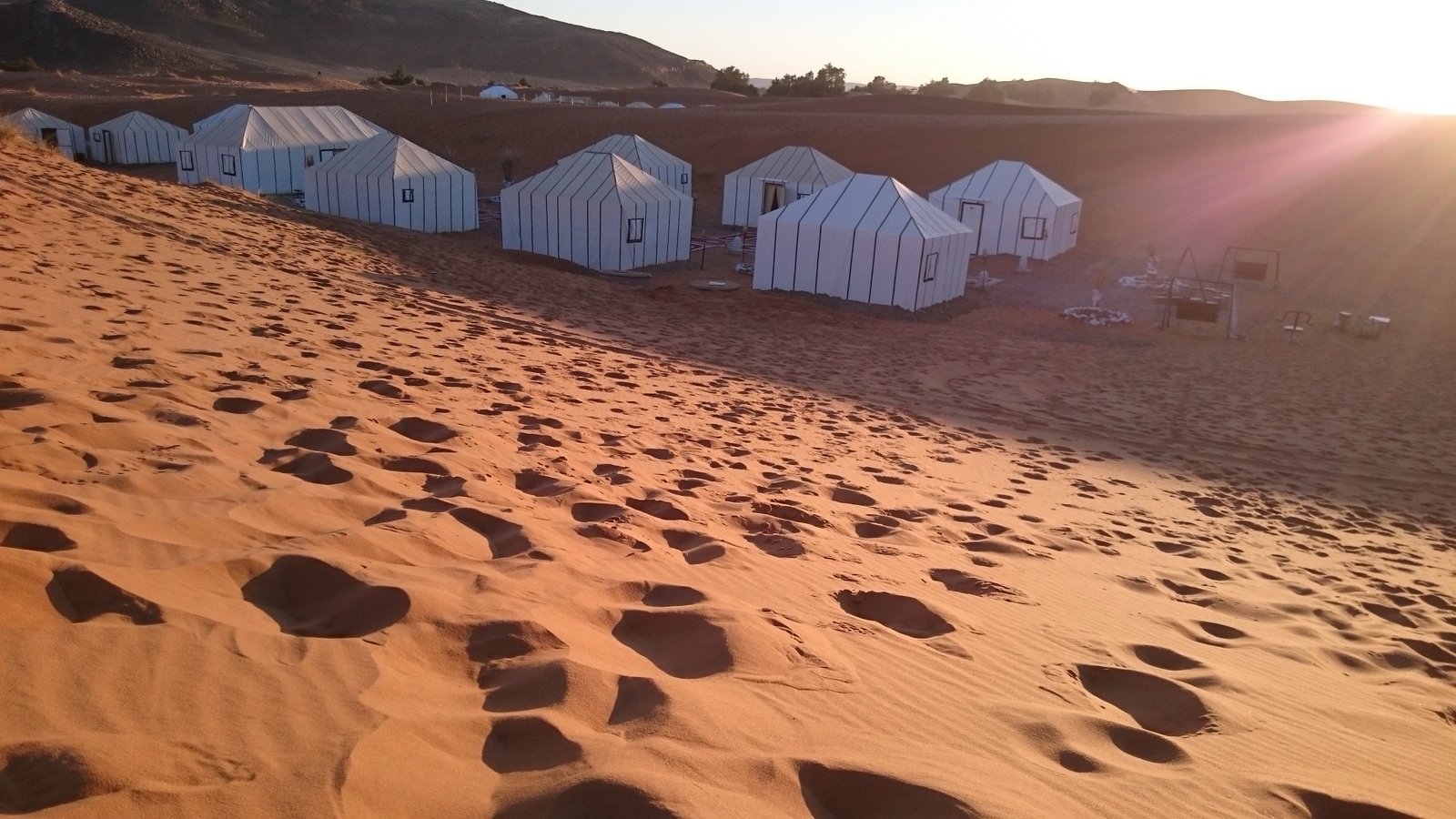
Desert tours are usually priced per person for a fixed multi-day package rather than as a daily rate, and pricing depends heavily on group size and camp quality:
- Shared group tour (joining other travelers): roughly $120–250 per person for a typical 2–3 day Marrakech-to-Merzouga loop
- Private tour, standard camp: roughly $200–450 per person, depending on group size
- Private tour, luxury camp: $450–800+ per person, with private tents, proper bathrooms, and higher-end meals
Because pricing is largely per vehicle on private tours, cost per person drops significantly with group size — a family or small group splits the same driver-and-vehicle cost across more people. What’s actually included (meals, camel ride, camp toilet facilities, private vs. shared tent) varies enormously at a similar headline price, so compare inclusions carefully rather than price alone.
Other Costs to Budget For
- SIM/eSIM: 30–50 MAD for a local SIM with several GB of data; eSIMs bought in advance cost more (roughly €5–15) but connect the moment you land.
- Tipping: Around 10% in sit-down restaurants, a few dirhams for taxi drivers and porters — not huge, but worth budgeting 50–100 MAD per day if you’re tipping regularly across guides, drivers, and restaurants.
- Souvenirs and bargaining: Entirely discretionary, but easy to underestimate — a genuine hand-knotted rug or leather goods can run into the thousands of dirhams, while smaller crafts are a few hundred.
- Travel insurance: Not a Morocco-specific cost, but worth including in any trip budget, priced separately based on your provider and trip length.
Sample 7-Day Trip Cost by Style
A rough estimate for a 7-day Morocco trip covering Marrakech plus a 2–3 day Sahara desert loop, excluding international flights, per person based on two people traveling together:
| Style | Estimated total (7 days, excl. flights) |
|---|---|
| Budget | €350–550 |
| Mid-range | €900–1,500 |
| Luxury | €2,200+ |
These are planning estimates, not quotes — actual costs shift with season, group size, and exactly which desert camp or riad tier you choose. If you’d rather have an accurate number for your specific dates and group, that’s exactly what a custom itinerary solves; see our guide on building a custom Morocco itinerary or contact our travel team for a personalized cost breakdown.
Money-Saving Tips That Don’t Cost You the Experience
- Travel shoulder season (March–May, September–November) for both cooler weather and lower accommodation rates than peak spring/autumn dates or summer.
- Split a private driver across a group rather than assuming public transport is automatically cheaper once you account for time and connections.
- Eat where locals eat. A genuinely good tagine at a busy local spot costs a fraction of the same dish at a tourist-zone restaurant with English menus and photos out front.
- Bargain properly in souks rather than accepting the first price — see our Morocco travel tips guide for how bargaining actually works.
- Book desert tours locally or well in advance, not both hastily. Comparing 2–3 operators on exactly what’s included (private vs. shared tent, meals, transport quality) saves more than chasing the single lowest headline price.
Common Cost Misconceptions
- “Morocco is dirt cheap everywhere.” Street food and public transport are genuinely inexpensive; Marrakech riads in high season and private guided tours are not, and can rival Southern European pricing.
- “A private driver is a luxury expense.” Split across a small group, it’s often comparable to or cheaper than piecing together public transport for a multi-city route.
- “Every historic site charges a ticket.” Some, like Ait Ben Haddou, have no fixed official fee at all — though unofficial demands at the entrance are common and worth knowing to ignore.
- “The lowest-priced desert tour is the best deal.” Price alone doesn’t tell you about tent privacy, toilet facilities, or meal quality — two tours at the same price can be very different experiences.
Frequently Asked Questions
How much does a week in Morocco cost?
Excluding international flights, a 7-day trip covering Marrakech and a Sahara desert loop runs roughly €350–550 per person for budget travel, €900–1,500 for mid-range, and €2,200+ for luxury, based on two people traveling together.
Is Morocco cheaper than Europe?
For food, transport, and budget accommodation, generally yes. For high-season riads in Marrakech and private guided tours, pricing can approach Southern European levels, so it depends heavily on travel style and season rather than being uniformly cheap.
How much should I budget per day in Morocco?
300–500 MAD (€28–47) per day covers budget travel, 800–1,500 MAD (€75–140) covers mid-range, and 2,500 MAD+ (€230+) covers luxury, per person based on two sharing accommodation.
How much does a Sahara desert tour cost?
A shared group tour runs roughly $120–250 per person for 2–3 days. Private tours range from about $200–450 per person for a standard camp up to $450–800+ for a luxury camp, with per-person cost dropping as group size increases.
Do I need a visa fee to enter Morocco?
Most travelers from the EU, UK, US, Canada, Australia, and GCC states enter visa-free with no fee. If your nationality requires a visa or e-visa, a processing fee applies and varies by nationality — confirm the current amount through Morocco’s official channels.
Is it cheaper to use public transport or hire a private driver?
It depends on group size and route. For a solo traveler sticking to cities with train service, public transport is cheaper. For a small group covering multiple cities, especially toward the south where trains don’t reach, a split private driver cost is often comparable or cheaper once time and connections are factored in.
What’s the biggest hidden cost travelers forget to budget for?
Entry fees across multiple sites add up more than expected over a multi-city trip, and tipping across guides, drivers, and restaurants throughout a two-week trip is easy to underestimate if you only budget it per single tip rather than per day.
Sources & References
- Morocco Ministry of Culture e-ticketing portal — official Bahia Palace entry pricing
- ONCF — Morocco’s national railway
- Visit Morocco — Moroccan National Tourist Office
Last updated: September 2026. Prices, entry fees, and exchange rates change — treat the figures above as planning estimates and confirm current pricing before you book, especially for flights, visas, and desert tour packages.