
Morocco with kids is more manageable than most first-time parents expect, but it does take different planning than a solo or couples trip. Moroccan culture is genuinely warm toward children, distances between must-see cities are shorter than people assume, and the classic highlights — gardens, souks, a short camel ride — are naturally kid-friendly. The parts that catch families off guard are the heat, the medina terrain, and choosing the right pace for your children’s ages.
This guide is for parents planning a Morocco family trip who want a realistic picture before booking: how to handle health and safety questions, which cities and activities actually work for which ages, where to stay, how to get around with children, and the mistakes that turn an exciting trip into an exhausting one.
Is Morocco Good for Family Travel?
Yes, for most ages, with some planning. Morocco is a short flight from Europe, malaria-free countrywide (the World Health Organization certified Morocco as having eliminated indigenous malaria transmission), and culturally very welcoming toward children — it’s common for shopkeepers and restaurant staff to make a fuss over kids. The trade-offs are practical, not cultural: medina alleys are cobblestoned and stroller-unfriendly, summer heat in the south is genuinely hard on young children, and a few activities (overnight desert camps, long mountain drives) work better for children over about 7–8 than for toddlers.
Health and Safety Before You Go
Morocco doesn’t require any specific vaccinations for entry, and there’s no malaria risk anywhere in the country, so antimalarial medication isn’t necessary. That said, routine childhood vaccinations (particularly ensuring MMR is up to date) and travel-specific ones like hepatitis A are commonly recommended by travel health services for trips to Morocco, since standards of food and water hygiene vary outside major hotels. This is genuinely a conversation for your pediatrician or a travel health clinic 6–8 weeks before departure, not something to decide from a blog post — recommendations depend on your children’s ages, existing vaccination history, and your specific itinerary.
- Water: Stick to sealed bottled water for kids, the same as for adults — tap water is treated but often causes stomach upset in visitors, and children dehydrate faster from any resulting stomach illness.
- Sun and heat: Morocco’s sun is stronger than it looks, especially reflected off desert sand or medina stone. Sun hats, high-SPF sunscreen, and a heat-avoidance plan for midday (pool or riad downtime rather than sightseeing) matter more here than in most European destinations.
- Medication and supplies: Pack enough of any regular children’s medication for the full trip plus a buffer, since matching brands abroad isn’t guaranteed. Basic supplies like diapers, formula, and children’s pain relief are available in city pharmacies, but selection narrows outside Marrakech, Fes, and Casablanca.
Best Time of Year for a Morocco Family Trip
Short answer: March–May or September–November. These months give you mild temperatures in Marrakech, the Atlas Mountains, and the Sahara alike. Summer (June–August) pushes Marrakech and the south past 40°C (104°F), which is genuinely difficult with young children outside of pool time. Winter is comfortable in the cities but brings cold desert nights, so a Sahara add-on in December–February needs proper warm layers for camp evenings.
If your trip falls during Ramadan, note that some restaurants close during daylight hours in smaller towns, though tourist-facing places generally stay open; it’s worth checking the current year’s dates, since they shift about 11 days earlier annually, and factoring that into a family itinerary with set mealtimes.
Getting Around Morocco with Kids
Car Seats Aren’t Automatic
This is the single most common gap families run into. Standard taxis rarely carry car seats, and rental cars only provide them if you request one in advance, often for an extra daily fee. If you’re using a private driver for intercity travel or airport transfers, confirm in writing that a properly fitted child seat or booster will be provided — don’t assume it, and bring your own car seat if your children are very young and you want certainty over what’s installed.
Carrier, Not Stroller, Inside the Medinas
Medina alleys in Marrakech, Fes, and Chefchaouen are cobblestoned, stepped in places, and often too narrow for a stroller to pass other pedestrians, carts, and mopeds. A baby carrier or lightweight umbrella stroller you can fold and carry works far better than a full-size stroller once you’re inside the old city. Save the stroller for wider modern-city streets, gardens, and hotel grounds.
Long Drives Need Real Stops
Morocco’s road distances look short on a map but take longer than expected because of mountain roads — the Marrakech-to-Merzouga route via the Tizi n’Tichka pass, for example, involves genuine switchback driving that can cause motion sickness in children. Build in stops every 90 minutes to two hours rather than pushing straight through, and split very long legs (like the desert route) across two days with an overnight in Ouarzazate rather than doing it in one push with young kids.
Where to Stay with Kids
| Option | Good for | Watch out for |
|---|---|---|
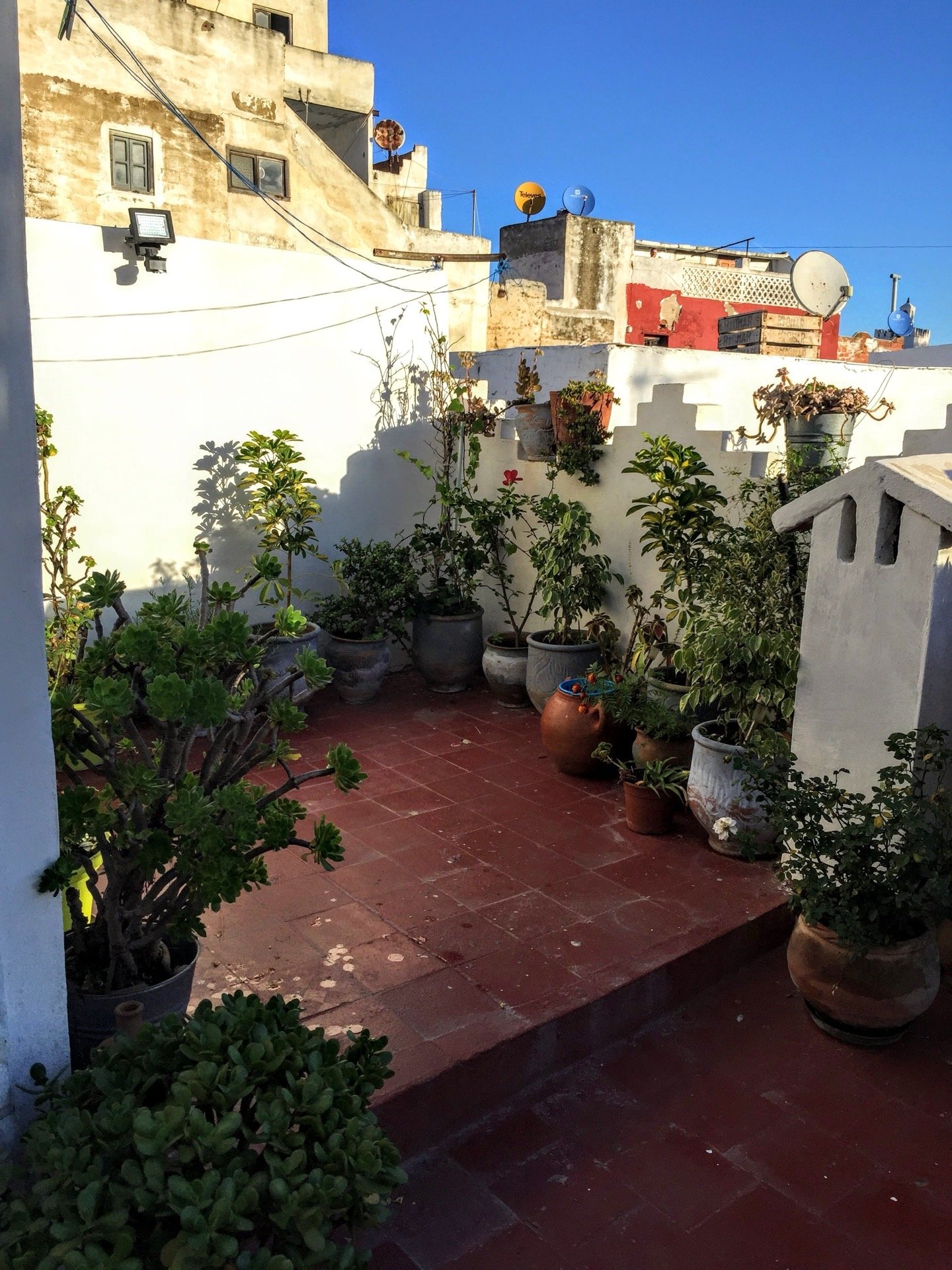
| Riad (traditional courtyard house) | Quiet, self-contained space; often has a small plunge pool; authentic experience | Steep interior staircases and open rooftop terraces — a real consideration with toddlers |
| Modern hotel with pool | Families with young children; predictable amenities; easier stroller access | Less atmospheric; usually outside the old medina, so more taxi rides to sightseeing |
| Desert camp (Merzouga / Erg Chebbi) | Kids 7–8+ who’ll enjoy the novelty; a genuine highlight for older children | Cold nights outside summer, no pool, basic toilet facilities at simpler camps — ask specifically about what’s included before booking |
Whichever you choose, ask specifically about interconnecting rooms or family suites when booking — many riads only have double rooms, and a family of four may need two separate rooms rather than one larger one.
Family-Friendly Things to Do, City by City
Marrakech
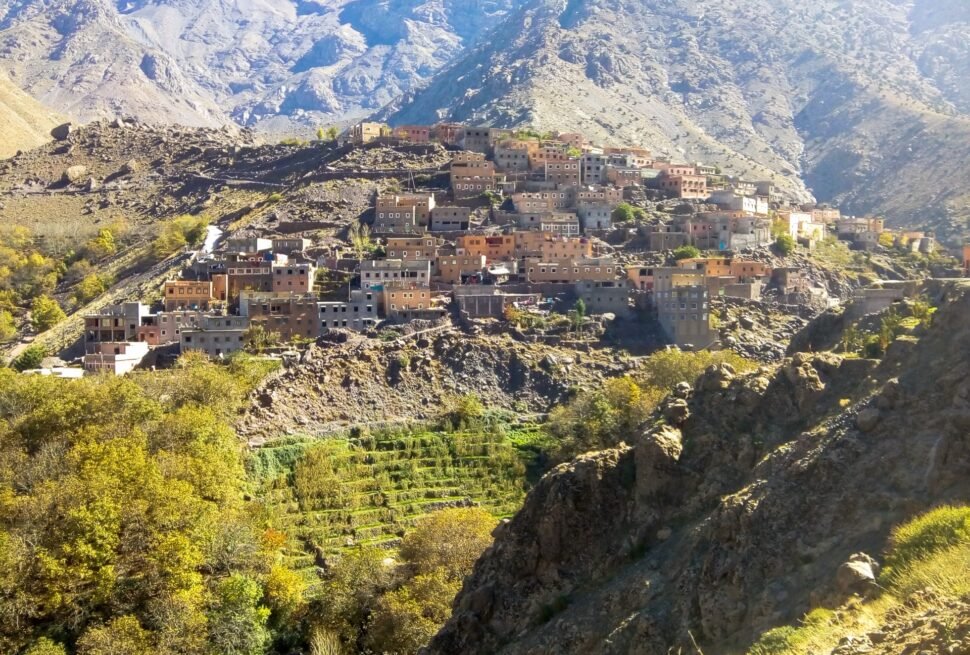
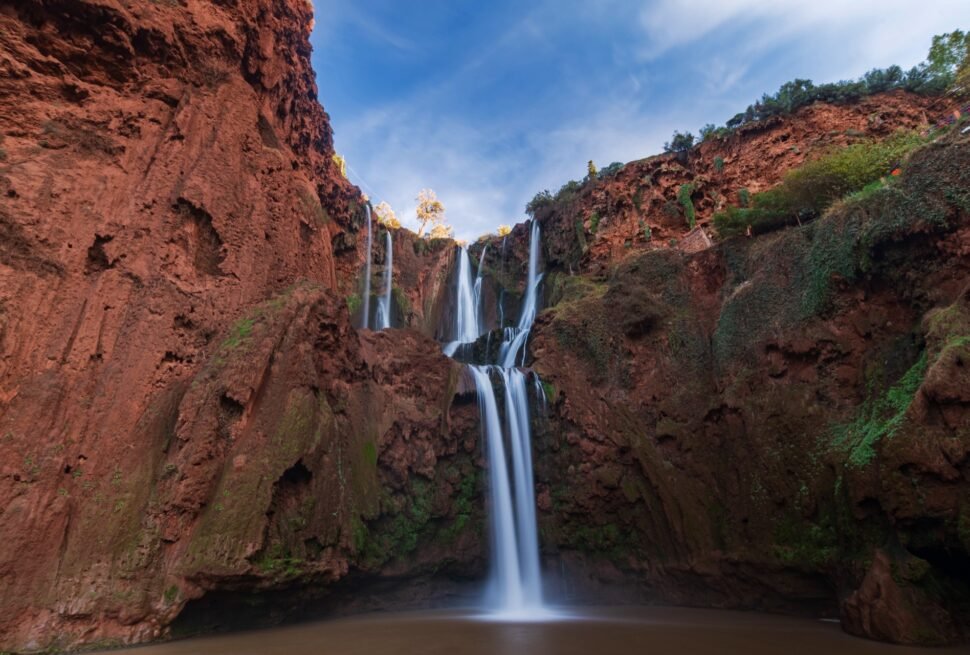
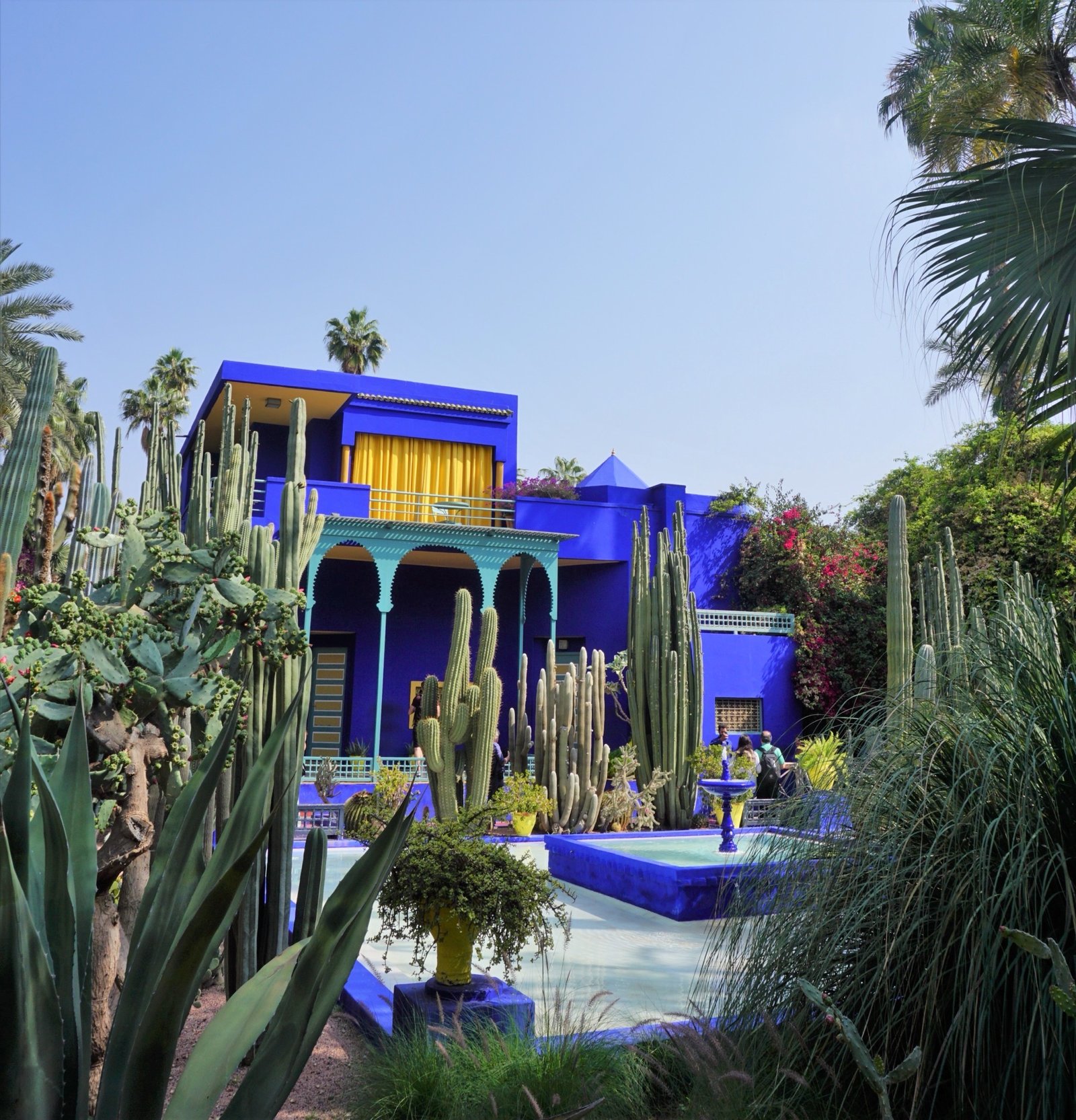
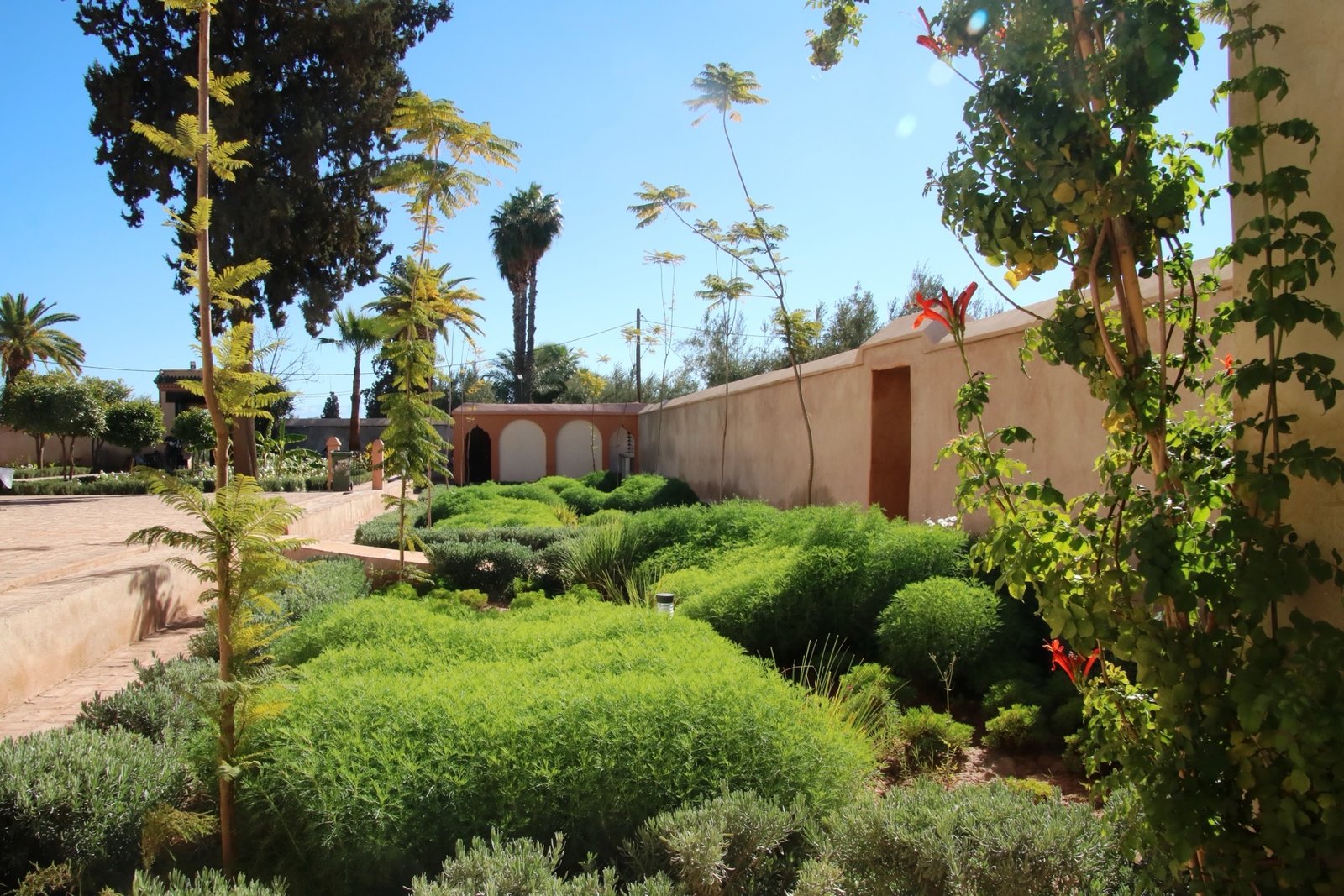
Start with Jardin Majorelle, a small, shaded, cobalt-blue garden that’s genuinely enjoyable for kids and easy to navigate in under an hour. Menara Gardens offers wide open lawns to run around with the Atlas Mountains as a backdrop — a good decompression stop after souk time. For an active half-day, the Ourika Valley, about an hour from the city, has waterfalls and Berber villages that give kids something physical to do outside the medina’s tight alleys. Save Jemaa el-Fna square’s evening food-stall scene for slightly older kids; it’s exciting but crowded, loud, and easy to lose a small child in.
Fes
Fes has the most intense medina in Morocco — genuinely fascinating, but a maze even for adults, and the leather tanneries (while a real highlight) have a strong smell that isn’t every child’s favorite five minutes. It works best for families with kids old enough to walk a few hours and follow instructions closely in crowds, generally 6 and up.
Sahara Desert / Merzouga
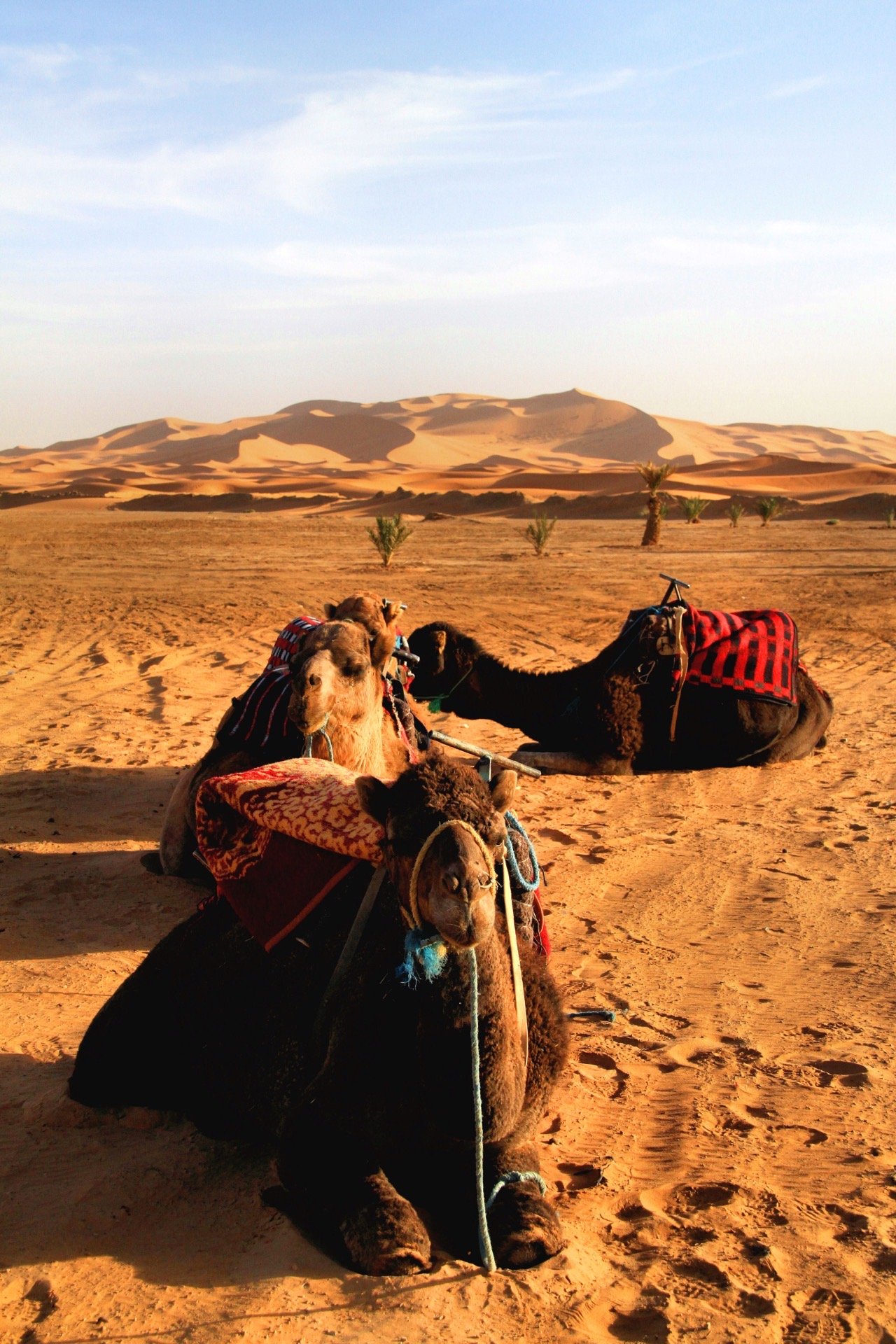
A short camel ride across the dunes of Erg Chebbi is manageable for most children from around age 4, usually riding in front of a parent on the same camel rather than solo. The full overnight desert camp experience — unfamiliar surroundings, cold nights, early starts — tends to work better for children around 7–8 and up, who are more likely to find it a genuine highlight rather than something unsettling. If you’re traveling with a toddler, a sunset camel ride followed by dinner at a comfortable camp, without the full overnight stay, is a reasonable middle ground worth asking your operator about.
Essaouira and Chefchaouen
Both are genuinely easier with kids than Marrakech or Fes. Essaouira’s beach, ramparts, and calmer, more open medina give children room to move, and camel or horse rides along the beach are a lower-pressure alternative to a full desert trip. Chefchaouen’s blue-painted streets are visually striking and relatively flat and walkable by medina standards, making it one of the more relaxed stops on a family itinerary.
If you’re mapping these into a full route, our guide to building a custom Morocco itinerary covers how to sequence cities and driving legs realistically — the same logic applies to a family trip, just with shorter daily distances and more downtime built in.
Food for Kids in Morocco
Moroccan food is aromatic rather than spicy-hot, which makes it more workable for children than parents often expect. Plain grilled chicken or beef brochettes, fresh bread (khobz), french fries, and mild vegetable tagine are easy, familiar-enough options at most restaurants. Fresh orange and avocado juice are widely available and popular with kids. As with adults, be more cautious with raw salads and unpeeled fruit from street stalls specifically, and stick to bottled water rather than tap.
Packing Checklist for a Morocco Family Trip
- Sun hats and high-SPF sunscreen for every family member
- A baby carrier or foldable umbrella stroller (skip the full-size stroller for medina days)
- A warm layer per child if the Sahara is on your route, even in warmer months
- Enough of any regular children’s medication for the full trip, plus a buffer
- Basic rehydration salts and children’s stomach-upset medication as routine precaution
- Modest clothing for religious sites and rural areas — shoulders and knees covered
- Your own car seat if traveling with a toddler and you want certainty over fit and installation
- A copy of each child’s passport details stored separately from the originals
Common Mistakes Families Make in Morocco
- Packing the itinerary too tight. Trying to cover Marrakech, Fes, and the Sahara in under a week with young kids leaves no buffer for heat, tiredness, or a bad night’s sleep — build in slower days, especially right after long drives.
- Assuming a stroller works everywhere. It doesn’t, inside medinas specifically — see above.
- Not confirming a car seat in advance. Assuming a private driver or rental car will have one, then finding out on arrival that it doesn’t.
- Underestimating desert nights. Packing only summer clothes for a Sahara add-on and being caught out by near-freezing camp temperatures outside the summer months.
- Skipping downtime. Treating every day as a sightseeing day instead of building in pool time or riad courtyard downtime, especially during the hottest hours.
Planning by Age: What Actually Works
| Age range | Realistic pace | What works well |
|---|---|---|
| Under 4 | One or two bases, minimal long drives | Marrakech gardens, riad pool time, a short camel ride rather than an overnight desert stay |
| 5–7 | Two to three bases with rest days between | Marrakech + Essaouira or Chefchaouen; a sunset camel ride; shorter drive days |
| 8 and up | A fuller loop is realistic | Marrakech, the Atlas, an overnight Sahara desert camp, and Fes with proper spacing between driving days |
This is general guidance, not a fixed rule — every child is different, and a well-planned route matters more than a strict age cutoff. If you’d rather have someone map the pacing, driving legs, and accommodation choices around your children’s ages specifically, get in touch with our travel team to talk through a family itinerary.
Frequently Asked Questions
Is Morocco safe to visit with children?
Yes, for the large majority of family travelers. Morocco is malaria-free countrywide and culturally welcoming toward children. The realistic precautions are heat management, water safety, and medina terrain rather than any specific danger to children.
What vaccines do kids need for Morocco?
There’s no required vaccination for entry, but routine childhood vaccinations and sometimes hepatitis A are commonly recommended by travel health services. This depends on your children’s ages and history, so consult your pediatrician or a travel health clinic 6–8 weeks before departure rather than relying on general guidance.
What age is best for kids to visit Morocco?
There’s no strict minimum, but children around 7–8 and older tend to get the most out of the full experience, including overnight desert camps and longer medina exploration. Younger children can absolutely visit, with a slower pace and simpler activities like gardens, pools, and short camel rides rather than overnight desert stays.
Can young children ride camels in Morocco?
Most operators allow children from around age 4 to ride in front of a parent on the same camel for short rides. An overnight desert camp experience is generally more enjoyable for children 7–8 and up.
Do I need to bring my own car seat to Morocco?
You don’t have to, but you should confirm one will be provided rather than assume it. Standard taxis rarely have car seats, and rental cars and private drivers only guarantee one if requested in advance.
Are strollers practical in Morocco?
Not inside medinas, where cobblestones, steps, and narrow alleys make a full-size stroller impractical. A baby carrier or foldable umbrella stroller works much better for old-city sightseeing; save a full stroller for gardens, modern streets, and hotel grounds.
What’s the best time of year for a family trip to Morocco?
March–May and September–November offer the most manageable temperatures countrywide. Summer heat in Marrakech and the south is genuinely difficult with young children, and winter needs warm layers for cold Sahara nights.
Sources & References
- World Health Organization — countries certified malaria-free, including Morocco
- Visit Morocco — Moroccan National Tourist Office
Last updated: September 2026. Health recommendations, entry requirements, and seasonal conditions change — confirm current vaccination guidance with your doctor or a travel health clinic, and verify entry requirements through official channels, before you travel.