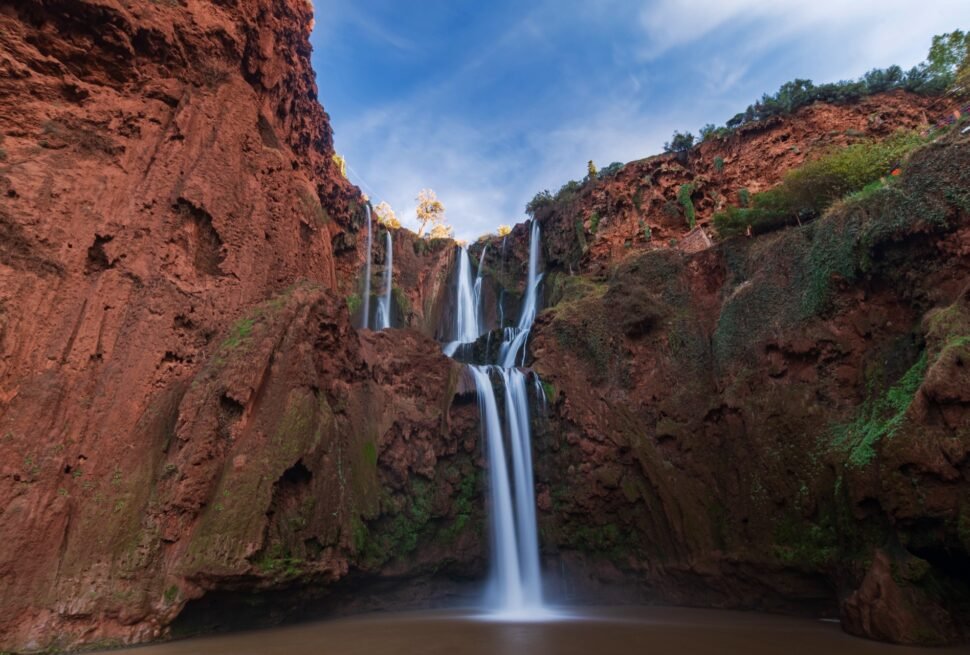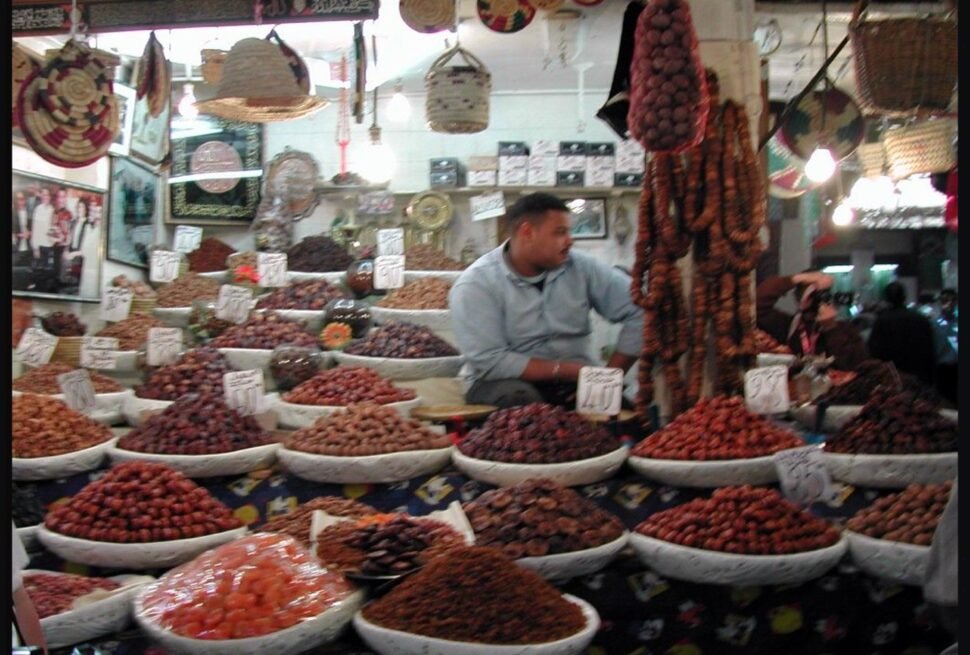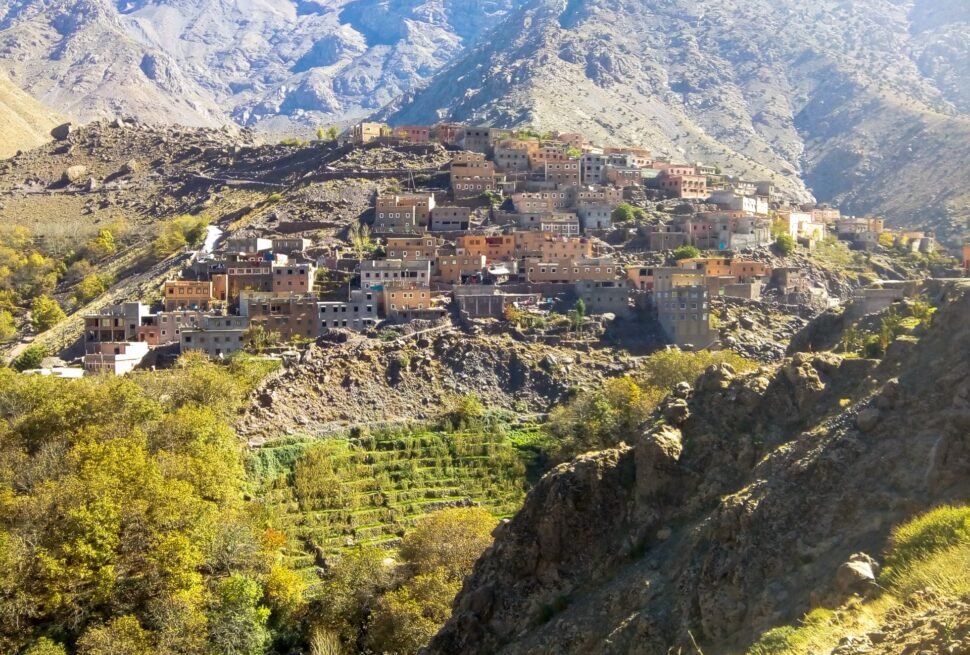

The best Morocco road trip itinerary follows a route that already makes geographic sense: south from Marrakech over the High Atlas, through the kasbahs and gorges of the pre-Sahara, out to the dunes at Merzouga, then north through the Middle Atlas to Fes and, if you have time, on to the blue city of Chefchaouen. This isn’t an arbitrary list of pretty places — it’s the route the roads themselves are built for, which is why nearly every experienced Morocco road-tripper ends up driving some version of it.
This guide is for travelers planning to explore Morocco by car, whether self-driving a rental or hiring a private driver. You’ll get a full day-by-day 10-day itinerary with real distances and driving times, honest guidance on self-drive versus hiring a driver, what car rental actually requires, and the driving conditions — mountain passes, night driving, road hazards — that catch first-time visitors off guard.
Quick Answer: The Classic Route
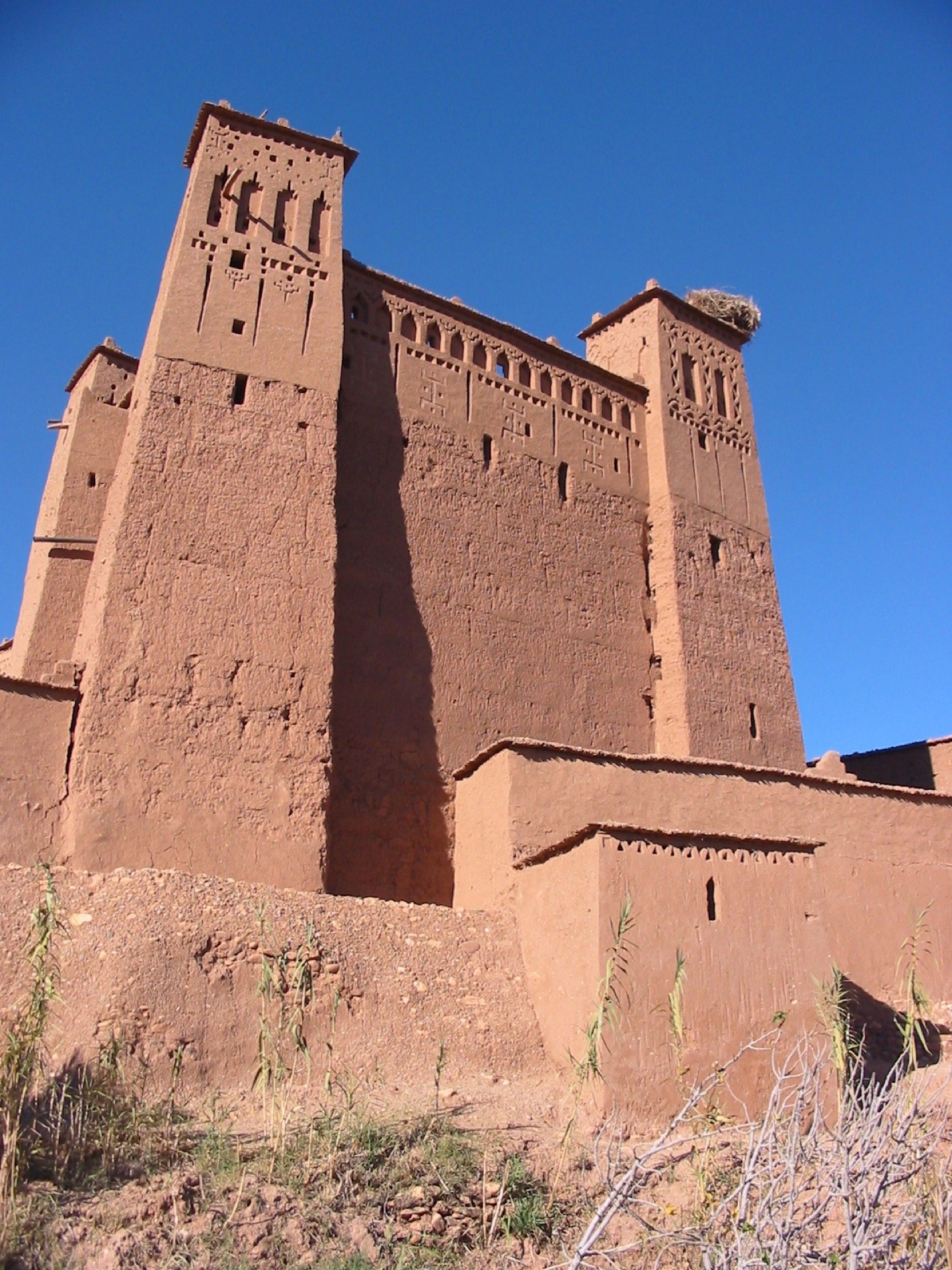
The best-known and most complete Morocco road trip loop runs: Marrakech → Ait Ben Haddou → Ouarzazate → Dades Gorge → Todra Gorge → Merzouga (Sahara) → Fes → Chefchaouen, covering roughly 1,100–1,300 km depending on your exact stops. Done properly with real time at each stop rather than just driving through, this takes 10 days as a comfortable minimum, though a condensed 7-day version and an extended 14-day version both work — covered further down.
The 10-Day Morocco Road Trip Itinerary, Day by Day
| Day | Route | Distance / Drive time |
|---|---|---|
| 1 | Arrive Marrakech | — |
| 2 | Marrakech → Ait Ben Haddou → Ouarzazate | ~204 km / 3.5–4 hrs over the Tizi n’Tichka pass |
| 3 | Ouarzazate → Dades Valley | ~67 km / 1.5 hrs |
| 4 | Dades Gorge → Todra Gorge → Merzouga | ~220 km combined / 4–5 hrs |
| 5 | Merzouga: Sahara camel trek & desert camp | — |
| 6 | Merzouga → Fes | ~470 km / 7–8 hrs (long day — consider splitting) |
| 7 | Fes: medina, tanneries, madrasas — one of Morocco’s four imperial cities | — |
| 8 | Fes → Chefchaouen | ~200 km / 3.5–4 hrs |
| 9 | Chefchaouen: the blue medina | — |
| 10 | Chefchaouen → Casablanca or back to Marrakech for departure | Varies by return route |
Two things to build around deliberately:
- Day 6 is the hardest driving day on the route — 7–8 hours through the Ziz Valley and Middle Atlas. If you’d rather not do it in one push, splitting it with an overnight in Midelt or Azrou turns one grueling day into two comfortable ones.
- Day 4 is doable but tight. Some travelers split Dades Gorge and Todra Gorge across two nights instead of one long driving-and-sightseeing day — worth it if you want real time at both gorges rather than a drive-through stop.

Ait Ben Haddou and Ouarzazate are covered in more depth, including what to actually do at each stop, in our guide to building a custom Morocco itinerary, which applies the same day-by-day planning logic to non-driving routes too.
Self-Drive or Private Driver? An Honest Comparison
| Self-drive (rental car) | Private driver | |
|---|---|---|
| Best for | Confident drivers who want full flexibility and don’t mind mountain driving | First-time visitors, families, or anyone who’d rather look at the scenery than the road |
| Cost | Rental + fuel, generally cheaper for a solo traveler or couple | $90–150/day for car + driver — often comparable per person once split across 3–4 people |
| Tizi n’Tichka pass | Manageable in daylight at a steady pace, but genuinely demanding for an unfamiliar driver | Handled by someone who drives it regularly |
| Local knowledge | You research everything yourself | Drivers often double as informal guides for stops and timing |
| Flexibility | Full control over pace and detours | Still flexible, but routed around a planned itinerary |
There’s no universally “right” answer here, but a fair rule of thumb: if this is your first trip to Morocco, you’re traveling with family, or you’re not confident with mountain switchback driving and unfamiliar road etiquette, a private driver removes the single biggest source of first-time-visitor stress on this route without meaningfully limiting what you see.
Renting a Car in Morocco: What You Actually Need
- Age: Most agencies require drivers to be at least 21 with a license held for a year; some set the minimum at 23–25, and drivers under 25 often pay a young-driver surcharge.
- License: If your driving license isn’t in English or French, or doesn’t carry a photo, bring an International Driving Permit (IDP) as well — agencies can refuse pickup without one, and it avoids any ambiguity with traffic police.
- Documents: Passport, license (plus IDP if applicable), and a credit card for the security deposit.
- Insurance: Basic coverage is usually included; additional collision damage waiver coverage is worth adding given mountain roads and unpredictable hazards (see below).
Driving in Morocco: What to Actually Expect
The Tizi n’Tichka Pass
This High Atlas crossing, at over 2,200 meters, is fully paved with guardrails on nearly the entire route — a big improvement from years past, and manageable for a careful driver in daylight. That said, it’s a genuine mountain pass: sharp switchbacks, slow trucks, occasional livestock on the road, and local drivers who overtake more aggressively than most Western visitors are used to. Drive it slowly, expect it to take longer than the map suggests, and never attempt it after dark.
Avoid Night Driving Outside Cities
This is the single most consistent piece of advice from experienced Morocco road-trippers: don’t drive mountain roads or the desert approach to Merzouga after dark. Unlit trucks, unmarked speed bumps through small towns, and animals on the road are common hazards that are manageable in daylight and genuinely dangerous at night. Plan driving days to arrive before sunset, with a buffer for the inevitable stops.
Fuel and Practicalities
Fuel stations are common on main routes between major cities but genuinely sparse in remote stretches like the desert approach to Merzouga — fill up before you think you need to, not when the gauge gets low. Speed bumps through small towns are frequent and often unmarked; locals know where they are and slow down accordingly, which is a good cue to follow even without seeing a sign.

Shorter and Longer Variations
7-Day Condensed Route
Drop Chefchaouen and loop back from Fes to Marrakech instead of continuing north — either by driving back directly (a long day) or by taking the train from Fes to Marrakech and arranging a one-way car rental drop-off. This keeps the Ait Ben Haddou → Ouarzazate → Dades → Todra → Merzouga → Fes core intact while cutting the trip to a week.
14-Day Extended Route
Add two things: an extra night in the Sahara (many travelers regret rushing the desert leg to one night), and a coastal detour to Essaouira, either as a loop back from Marrakech at the start or end, or as a dedicated add-on before flying out. This turns a fast-paced loop into a genuinely relaxed trip with real downtime built in, rather than a driving itinerary with sightseeing squeezed between transfers.
Best Time of Year for This Route
March–May and September–November give you the most manageable driving conditions across every leg of this route: comfortable temperatures for exploring at each stop, and dry conditions on the mountain passes. Winter (December–February) is workable for the southern legs but can bring snow and temporary closures to the Tizi n’Tichka pass, so check conditions before committing to a winter departure date. Summer (June–August) is passable but genuinely hot for a full day of driving and sightseeing in the Dades/Todra/Merzouga stretch, often over 40°C.
Road Trip Checklist
- License, IDP (if needed), passport, and credit card for the rental deposit
- Offline maps downloaded in advance — signal drops in mountain and desert stretches
- Cash for fuel, small tolls, and stops in towns without card readers
- A paper or downloaded copy of your route, since GPS occasionally struggles in remote areas
- Full tank before the desert approach to Merzouga, where stations are sparse
- A plan to be off mountain and desert roads before dark
- Warm layers for Sahara camp nights, even outside winter
Common Mistakes on This Route
- Underestimating drive times. Google Maps’ driving estimates don’t account for mountain switchbacks, photo stops, or slow trucks — add genuine buffer time to every leg, especially Day 2 and Day 6.
- Trying to do the loop in under a week. It’s technically possible but turns a scenic road trip into a driving marathon with almost no time at each stop.
- Driving the desert approach or mountain passes after dark. Covered above, and worth repeating — this is the most common real safety mistake on this specific route.
- Only booking one night in the Sahara. The drive to get there is long enough that a single night feels rushed; two nights lets you actually enjoy the camp rather than just passing through.
- Skipping travel insurance that covers rental car excess. Worth confirming before you drive mountain roads, not after.

If planning and driving all of this yourself sounds like more logistics than vacation, this exact route is also where a private driver earns its cost back the fastest — you get the same stops without the mountain-pass stress or the drive-time miscalculations. Contact our travel team to talk through a private-driver version of this itinerary, or see our full Morocco travel cost breakdown to compare self-drive versus private-driver budgets for your trip.
Frequently Asked Questions
How many days do you need for a Morocco road trip?
10 days is a comfortable minimum for the classic Marrakech-to-Fes loop through the Sahara. 7 days works if you cut the northern leg to Chefchaouen, and 14 days allows real downtime plus a coastal detour to Essaouira.
Is it safe to self-drive in Morocco?
Yes, for confident drivers, with real precautions: avoid night driving on mountain and desert roads, drive defensively around aggressive local overtaking, and take the Tizi n’Tichka pass slowly. Less confident drivers or first-time visitors often prefer a private driver for this specific route.
Do I need an International Driving Permit to rent a car in Morocco?
Not always, but if your license isn’t in English or French or lacks a photo, you’ll need one. Bringing an IDP regardless avoids any ambiguity with rental agencies or traffic police.
What’s the hardest part of this road trip route?
The Merzouga-to-Fes leg (around 470 km, 7–8 hours) is the longest single driving day. The Tizi n’Tichka pass is the most technically demanding stretch of road, though well-maintained and manageable in daylight.
Can you drive the Tizi n’Tichka pass in winter?
Sometimes, but the pass can see snow and temporary closures in winter months. Check current conditions before a winter departure, and avoid it entirely if snow is forecast.
Should I book a private driver or rent a car?
Rent a car if you’re a confident driver who wants full flexibility and the cost savings work for your group size. Choose a private driver if this is your first Morocco trip, you’re traveling with family, or you’d rather not navigate mountain passes and unfamiliar road conditions yourself — split across a small group, the cost difference is often smaller than expected.
Sources & References
- UNESCO World Heritage Centre — Ksar of Ait-Ben-Haddou
- Visit Morocco — Moroccan National Tourist Office
Last updated: September 2026. Road conditions, mountain pass closures, and rental requirements change — check current conditions before you drive, especially for winter travel over the Tizi n’Tichka pass.